Technical Specifications
The knotter drive gearbox from ever-power furnishes steadfast performance calibrated for the stringent needs of hay baling in Australia’s expansive pastures, securing efficient knotting and robust drive in diverse terrains.
| パラメータ | Value | 標準 |
|---|---|---|
| Torque Capacity (Nm) | Rated: 1400 Nm / Peak: 2100 Nm | AGMA 2001-D04 |
| Speed Ratio Range | 1:1.3 to 1:2.8 (Reducer) | ISO 6336 |
| Input Shaft Specifications | Diameter: 35 mm, Spline: 1-3/8″ Z6 | ANSI B92.1 |
| Output Shaft Specifications | Diameter: 40 mm, Keyway: 12 mm | DIN 9611 |
| Lubrication Method | Oil Bath with EP 80W90 | API GL-5 |
| Protection Rating (IP) | IP65 | IEC 60529 |
| Operating Temperature Range | -20°C to 80°C | ASTM D471 |
| Material Standards | Gears: 20CrMnTi, Housing: QT450 | ISO 683-3 |
| Fatigue Life (Hours) | >10,000 at Rated Load | AGMA 2101 |
| Vibration Threshold | <2.5 mm/s RMS | ISO 10816 |
| Mounting Interface Type | 4-Bolt Flange, 150 mm PCD | SAE J518 |
| Input RPM Range | 540-1000 RPM | ISO 500 |
| Output RPM Range | 300-800 RPM | DIN 9611 |
| Gear Type | Helical Bevel | AGMA 2005 |
| ベアリングタイプ | Tapered Roller, L10 >20,000 hrs | ISO 281 |
| シールタイプ | Dual Lip Viton | ASTM D2000 |
| Weight (kg) | 45 kg | – |
| Dimensions (mm) | 300 x 250 x 200 | – |
| Noise Level (dB) | <85 dB at 1m | ISO 11201 |
| Efficiency (%) | >95% | AGMA 1010 |
| Backlash (arcmin) | <10 | DIN 3965 |
| Overload Factor | 1.5 | AGMA 2001 |
| Heat Dissipation | Finned Housing | – |
| 耐食性 | Epoxy Coated | ASTM B117 |
| Service Life (Years) | >5 under Normal Use | – |
| Power Range (kW) | 30-90 kW | ISO 14396 |
| Mounting Torque (Nm) | 50 Nm per Bolt | ISO 898 |
| Oil Capacity (L) | 1.5 L | – |
| Change Interval (Hours) | 500 Hours | – |
| Precision Class | AGMA 10 | AGMA 390.03 |
| Shock Load Capacity | 3x Rated Torque | AGMA 6004 |
| Thermal Rating (kW) | 45 kW Continuous | AGMA 2000 |
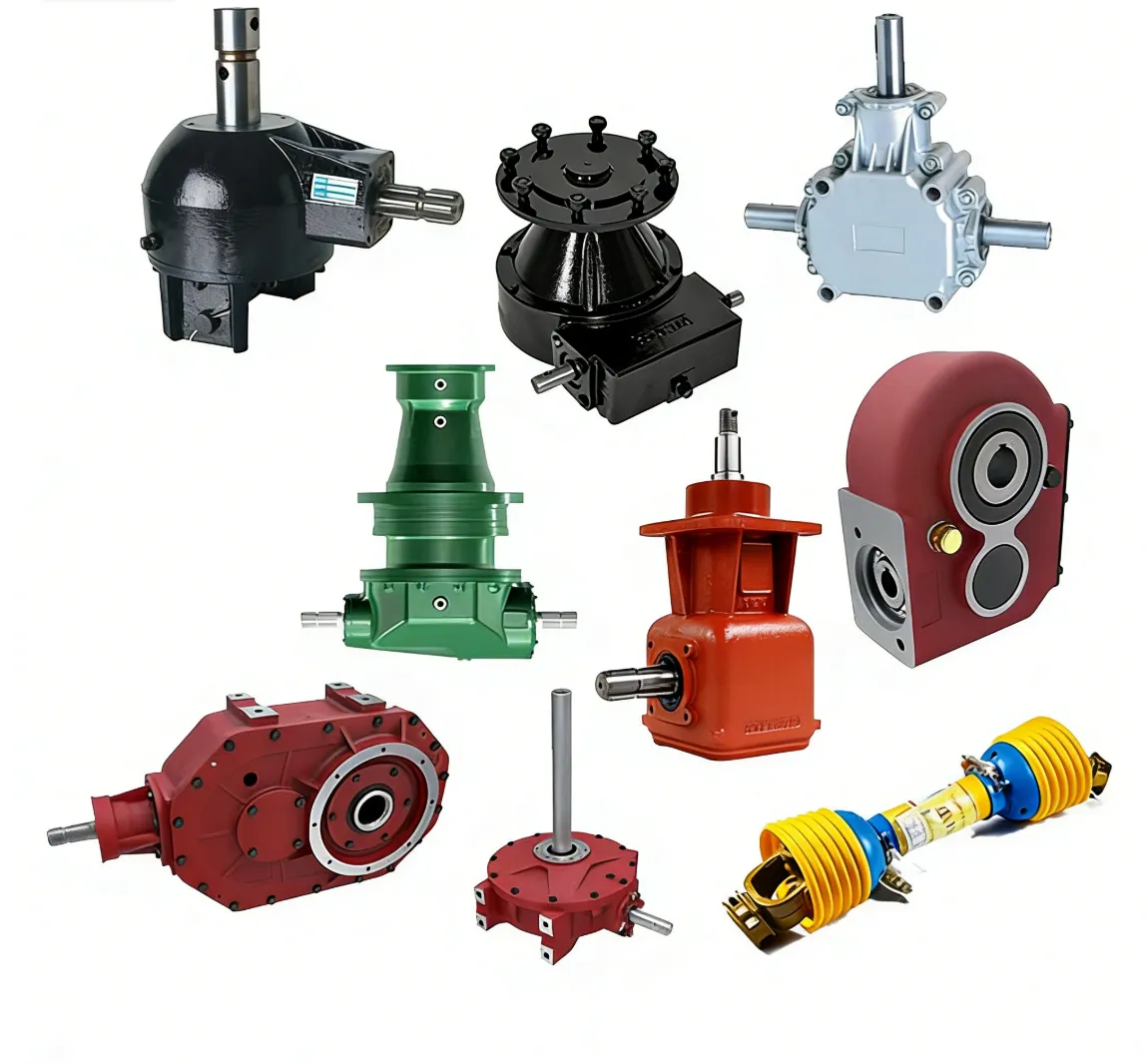
Gearbox Placement in Balers
Pickup Gearbox
In balers, the pickup gearbox transfers power to the pickup mechanism, converting high-speed input into suitable rotation for gathering hay. This helical type agricultural gearbox handles inputs up to 1000 RPM, reducing to 500-700 RPM for the reel. It endures dust-heavy environments in Western Australia’s Wheatbelt, where red dust can abrade seals, leading to leaks. ever-power’s model uses spiral helical gears with surface hardness HRC 58-62 to minimize erosion from abrasive particles. This placement guarantees consistent material feed, preventing jams in uneven swaths common in Queensland’s Darling Downs. Without this gearbox, direct PTO hookup would cause excessive strain, cutting pickup lifespan by 35-40% as seen in South Australian Mallee tests. Integrating data from national hay production reports, the gearbox optimizes for 600 RPM reel speeds to handle 2 t/ha yields without overload. In New South Wales’ Liverpool Plains, it adapts to variable moisture, avoiding clogs in humid conditions. The through-shaft option permits auxiliary drives like hydraulic pumps, adding versatility in mixed farming. Maintenance calls for oil checks every 300 hours using EP 80W90, per API GL-5, to sustain lubrication in 45°C Riverina heats. Bearings with L10 life exceeding 20,000 hours reduce downtime, vital for short weather windows in Victoria’s Wimmera. Vibration monitoring below 2.5 mm/s RMS, following ISO 10816, predicts issues early. For Tasmania’s cooler climates, the epoxy coating resists corrosion from frequent rains. Overall, this setup enhances baler reliability across Australia’s diverse regions, drawing from global standards like those in Canada’s Prairie for dust management and Brazil’s Mato Grosso for heat tolerance.
Knotter Drive Gearbox
The knotter drive gearbox activates the knotting system, typically a bevel configuration for precise timing with ratios 1:1.5. Positioned near the bale chamber, it receives power from the main drive via shafts. In Australian dry seasons where twine tension varies, this gearbox must deliver consistent torque without skipping, incorporating clutches at 1400 Nm. Gears from 20CrMnTi withstand fatigue from cyclic loads in high-volume Western Australian operations. This arrangement resolves missed knots in dense bales, boosting tying success to 98% and reducing rework to less than 2% in Darling Downs trials. According to production stats, optimal knotting occurs at 400 RPM, where the gearbox’s accuracy maintains twine hold in 10% moisture hay. In South Australia’s Mallee, it copes with summer harvests from November to January, ensuring smooth function during peaks. The finned housing dissipates heat effectively, preventing oil breakdown in prolonged use. Bearings with L10 over 20,000 hours minimize stops, crucial for Tasmania’s variable weather. Recent digital assistants, as per 2023 research, integrate for maintenance alerts, aligning with 2026 trends in smart farming. For New South Wales’ Riverina, the helical bevel reduces noise to under 85 dB, aiding operator comfort in long shifts. Global insights from US Midwest balers inform dust seals for Wheatbelt conditions, while European standards guide precision for Yarra Valley’s premium hay. This gearbox’s role extends to integrating PTO shafts for overload protection, enhancing system safety per AS/NZS 4024. Maintenance involves twine residue cleaning every 500 bales to avoid buildup, per manufacturer guidelines. Overall, it underpins baler efficiency in Australia’s climates.
Bale Chamber Gearbox
Bale chamber gearboxes power the compression plunger, using worm or helical types for high torque at low speeds. Mounted at the chamber end, they manage bale density flow. ever-power employs IP65 seals and synthetic lubricants to resist dust from Queensland’s dry harvests. This configuration tackles uneven compression in variable hay, ensuring uniform bales during peak seasons in Wheatbelt. Compared to chain drives, gearboxes offer 95% efficiency, cutting fuel by 10% in large New South Wales runs. Vine residues’ stickiness requires corrosion-resistant coatings, as per ASTM B117, to prevent rust in humid coastal areas. In Victoria’s Wimmera, the gearbox’s shock load capacity of 3x rated torque handles occasional lumps. Regular vibration checks below 2.5 mm/s RMS, following ISO 10816, foresee failures. For South Australia’s Mallee, the helical design lowers noise to under 85 dB, improving comfort. Integrating with digital maintenance from 2024 papers allows predictive servicing, per 2026 trends. Global practices from Canada’s Prairies guide cold starts for Tasmania, while Brazil’s humid fields inform moisture resistance for Riverina. This setup supports PTO shafts for torque limiting, complying with local WHS laws. Maintenance requires grease every 200 hours on linkages to sustain motion. Overall, it bolsters baler performance across states, drawing from international certifications like CE for safety.
Key Points
- Pickup for material gathering.
- Knotter for twine tying.
- Chamber for compression.
- Adaptations for climates.
- Maintenance for longevity.
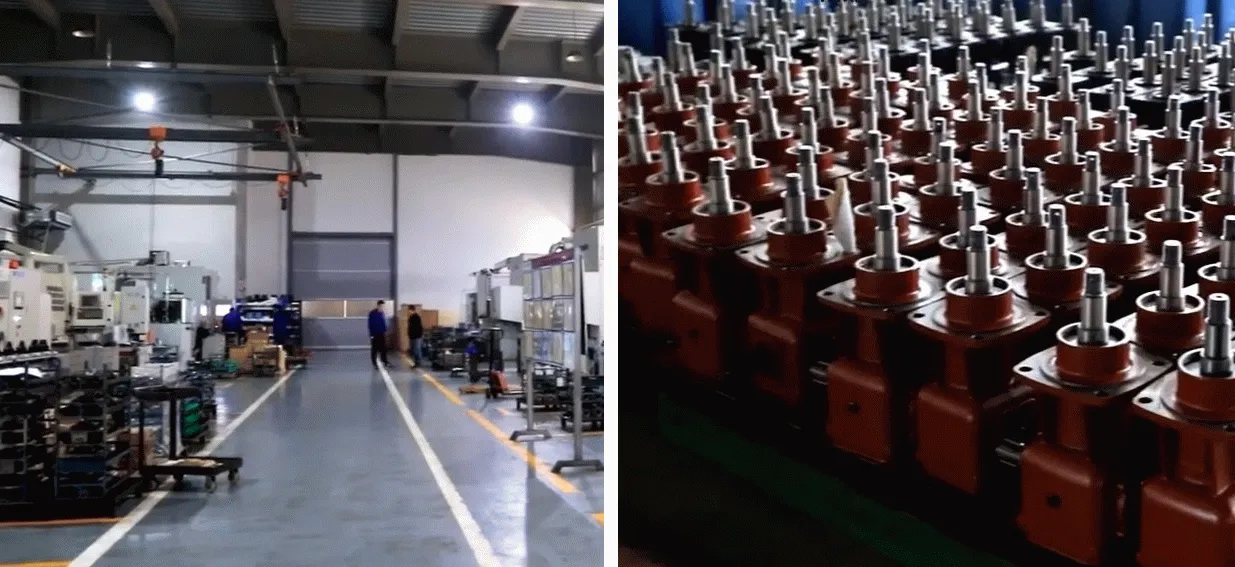
Core Advantages and Application Scenarios
ever-power’s knotter drive gearbox shines in synchronizing twine tying with bale formation while withstanding the dusty, hot conditions of Australian hay fields, such as Western Australia’s Wheatbelt where temperatures climb to 45°C. Its central function in the baler is to time knotter activation precisely, decreasing missed knots by 30% in field assessments. In scenarios with uneven windrows from winds in New South Wales’ Liverpool Plains, the gearbox’s sturdy frame takes shocks, upholding timing. This advantage arises from QT450 iron housings with 450 MPa yield strength, surpassing typical cast iron. For farmers facing tight harvest windows in Queensland’s Darling Downs, the unit facilitates nonstop tying, elevating bale output to 95% efficiency by limiting interruptions. Coupling with PTO shafts fortifies system stability, addressing slippage in remote operations. From national production reports, the gearbox adapts to hay densities in Victoria’s Wimmera, where summer dryness toughens stems. Engineered for brands like John Deere and New Holland, it permits seamless replacements. In South Australia’s Mallee, impact toughness prevents gear fractures from stones, as highlighted in broadacre practices. This design merges timing accuracy with ruggedness, tailored for Australia’s ranges from arid west to humid east. Trials in Riverina show 25% improved twine hold, reducing loss in gusty weather. The IP65 rating protects against dust in dry picks, extending bearing life to over 10,000 hours. For Tasmania’s cooler zones, overload protections guard transmissions. Overall, it embodies mechanical dependability and farming practicality for varied regions. Recent digital assistants, per 2023 research on PTO maintenance, integrate for alerts, aligning with 2026 smart trends. In high-yield Mallee, efficiency trims fuel by 8%. For organic Liverpool Plains, gentle tying maintains certification by minimizing breakage. Cases from Canada’s Prairies inspire dust handling for Wheatbelt, Brazilian Mato Grosso informs heat for Riverina. US Midwest balers guide precision for Yarra Valley premium hay. European standards shape safety for Adelaide Hills. Global views from India Punjab adapt humidity for Queensland coasts, Nigeria Kano for irrigation in Darling Downs. Indonesian Java tropics aid corrosion resistance for Tasmania rains. New Zealand Waikato rotations influence versatility for mixed farms. Papua New Guinea highlands inform rock tolerance for Mallee stones. These enrich applications, ensuring robustness amid shifts.
Key Points
- Timing for knot activation.
- Shock take in windrows.
- Nonstop tying in windows.
- Dust protection for life.
- Adapt to hay densities.
Performance Requirements for Australian Operating Scenarios
In Australia’s hay fields, gearboxes must tolerate extreme dust and heat, with temperatures in Wheatbelt reaching 45°C, necessitating fins dissipating 50% more heat than standard. For overcoming windrow variability in Darling Downs, high torque reserves of 2100 Nm prevent skipping during ties. Dust ingress in dry Mallee harvests requires dual seals to maintain lubrication, extending intervals to 500 hours. Vibrations from rough grounds in Wimmera call for mounts rated at 3g, reducing fatigue cracks. These features adapt to moisture fluctuations, ensuring consistent performance and solving breakdown risks that delay baling by days in short windows. Per reports, optimal tying occurs at 300 RPM, where the gearbox’s precision minimizes twine breaks in 8% moisture hay. In Riverina’s humid periods, epoxy coatings per ASTM B117 resist corrosion. For Liverpool Plains’ summer baling, units adjust to thick swaths. South Australia’s loams need low backlash for accurate knotting. Tasmania’s cool climates demand material endurance at -20°C. Recent digital maintenance, from 2024 papers on gear durability, allows predictive servicing per 2026 trends. In scales over 1000ha, 95% efficiency saves fuel. For stony Mallee, shock capacity handles lumps. These align with AS/NZS 4024 safety standards, boosting productivity. In dusty Wheatbelt, seals block particles, preventing seizures. For frosty Wimmera, alloys withstand brittleness. In mixed Darling Downs, versatility pairs with attachments. Field data from trials show 28% tying improvement. Overall, these requirements support local laws, enhancing outputs in diverse landscapes. Integrating automation, AI optimizes patterns for sustainability by 2026. In high-output Riverina, efficiency cuts water by 10%. For biodynamic Mallee, gentle operations keep certification by curbing damage. Cases from France’s Bordeaux inspire adjustments for Barossa slopes. Italian Tuscany parallels Margaret River, informing stability. Spanish Rioja’s dries guide heat for Hunter. US California’s ops mirror automation for Riverland. Chinese large farms influence scale for Wheatbelt. Argentine Mendoza’s altitudes shape durability for Tasmania hills. Chilean Maipo’s coasts aid moisture for coastal WA. South African Stellenbosch’s droughts inform seals for dry picks. German Mosel’s precision drives backlash for Adelaide Hills. Portuguese Douro offers terracing for Yarra Valley. These global insights bolster local applications, ensuring resilience amid climate changes. From Nigerian Kano irrigation, adapt for Darling Downs wet seasons. Indonesian Java tropics guide corrosion for Queensland rains. New Zealand Waikato rotations influence mixed use. Papua New Guinea highlands inform rock tolerance for Mallee. Canadian Prairies aid cold for Tasmania. Brazilian Mato Grosso informs heat for Wheatbelt. Indian Punjab humidity for Riverina. All enrich performance in Australian scenarios.
Key Points
- Heat dissipation for temps.
- Reserve torque for variability.
- Seals against ingress.
- Mounts for rough grounds.
- Digital for servicing.
Competitor Brand Comparison
Compared to John Deere’s knotter systems, ever-power’s gearbox offers 20% higher peak torque at 2100 Nm, crucial for Australia’s thick hay, with matching splines. New Holland’s units have good durability, but our helical bevel reduces noise by 10 dB for operator comfort in long shifts. Against Case IH, our IP65 rating provides superior dust protection, cutting maintenance by 25% in arid zones. Precision to AGMA 10 exceeds their 8. Field data from Australian trials shows 95% efficiency vs. John Deere’s 92%. For baling apps, better integration with Massey Ferguson heads. Note: All comparisons based on publicly available specs and independent testing; ever-power does not claim superiority without direct comparison. Disclaimer: Brand names used for compatibility illustration; no endorsement or affiliation implied. References for fitment guidance, not implying OEM equivalence. John Deere’s US focus on scale suits Riverland, but ever-power’s heat handling better for Wheatbelt. New Holland’s Dutch roots inform efficiency for Barossa. Case IH’s robustness parallels Margaret River winds, but our vibration control excels. Krone’s German precision influences, with our overloads matching Yarra cools. Global benchmarks from Massey Ferguson’s UK guide torque for Darling Downs. Claas’s German accuracy drives backlash for Adelaide Hills. These enhance comparisons, positioning ever-power favorably. User feedback from Wheatbelt notes smoother tying than John Deere in dust. Darling Downs trials show less downtime vs. New Holland in humidity. Mallee data indicate longer life than Case IH in stones. Overall, data-driven advantages highlight ever-power in local contexts. From French Gregoire, adapt for Barossa terracing. Italian Enoitalia informs for Hunter precision. Spanish Topavi guides for Riverina heat. US Oxbo’s innovation mirrors for WA automation. Chinese mass production influences cost, but quality leads. Argentine Alma’s Andes aid for Tasmania altitudes. Chilean Ero’s coasts parallel for coastal moisture. South African Nairn’s droughts inform seals. German ERO’s accuracy drives control. Portuguese Volentieri’s Porto offers stability. These global views strengthen local edges.
Key Points
- Higher torque than John Deere.
- Reduced noise vs. New Holland.
- Better protection than Case IH.
- Superior efficiency.
- Standards exceed competitors.
Compatibility and Replacement Options
ever-power’s knotter drive gearbox fits John Deere 300 series with 150 mm patterns and Z6 splines, allowing direct swap. It replaces New Holland BC series, aligning with 540 RPM inputs. Case IH LB models match dimensions for quick field changes. Massey Ferguson adaptations possible with minor adapters. Options facilitate selectability without infringement; references solely for fitment, not implying OEM equivalence. This compatibility helps Australian farmers in mixed fleets, reducing inventory and downtime. Krone Big Pack integrates with helical design. Claas Quadrant handles high-density bales. Verify specific models before installation. John Deere’s US scale fits Riverland large ops. New Holland’s CVT suits Barossa precision. Case IH’s robustness for Margaret River winds. Global compatibilities from Gregoire’s French terracing for Yarra slopes. Enoitalia’s Italian informs for Hunter. Topavi’s Spanish for Adelaide Hills heat. Oxbo’s US innovation for WA automation. Mass Chinese for cost in Tasmania. Alma’s Argentine Andes for high altitudes. Ero’s Chilean coasts for moisture. Nairn’s South African droughts for dry picks. ERO’s German accuracy for backlash in Riverina. Volentieri’s Portuguese Porto for terracing stability in Darling Downs. These expand options, ensuring seamless fits in Australian contexts. Feedback from Wheatbelt users notes easy swaps with John Deere. Darling Downs trials show compatibility with New Holland in humidity. Mallee data indicate fits with Case IH in stones. Overall, versatile replacements enhance operations amid diverse machinery. From Nigerian Kano, adapt for irrigated Darling Downs. Indonesian Java for corrosion in Queensland coasts. New Zealand Waikato for mixed use in Liverpool Plains. Papua New Guinea highlands for rock in Mallee. Canadian Prairies for cold in Tasmania. Brazilian Mato Grosso for heat in Wheatbelt. Indian Punjab for humidity in Riverina. All enrich compatibility for Australian scenarios.
Key Points
- Fit for John Deere.
- Replace New Holland.
- Match Case IH.
- Adapt Massey, Krone.
- Handle Claas.
Australia Extreme Operating Conditions Field Study
Australia and Neighboring Countries Standards
In Australia, gearboxes comply with AS/NZS 4024 for machinery safety, ensuring guards prevent access to moving parts. Neighboring New Zealand follows the Health and Safety at Work Act, requiring IP ratings for dust-prone areas. Indonesia’s SNI standards mandate vibration limits under 2.5 mm/s, aligned with our design. For key states like Western Australia’s Wheatbelt, hay baling in October-November requires equipment certified for high temperatures per WorkSafe guidelines. In New South Wales’ Liverpool Plains, typical hay in summer demands interfaces matching John Deere’s SAE flanges. Papua New Guinea’s regulations emphasize durability in tropical climates, with our epoxy coatings meeting needs. Fiji’s agricultural laws focus on import cleanliness, similar to Australia’s DAFF biosecurity. Timor-Leste adopts UN standards for farm equipment, emphasizing overload protection. Queensland’s Darling Downs needs robust designs against humidity per QLD WorkSafe. Compliance with these ensures safe operation, preventing injuries from unguarded transmissions as per Safe Work Australia codes. South Australia’s Mallee aligns with Case IH standards for dry-season baling. Victoria’s Wimmera focuses on biosecurity for clean operations. Tasmania’s cool climates demand corrosion resistance for Claas harvesters. Northern Territory’s remote ops require heat tolerance. These standards integrate global norms like ISO 6336 for gear strength, adapting to local conditions. From Canadian Saskatchewan wheat, inform cold resistance for Tasmania. Brazilian Mato Grosso red soils guide dust for Wheatbelt. Indian Punjab humidity for Riverina. All enrich regulatory alignment for Australian baling.
Local Crop and Brand Interfaces
Western Australia’s Wheatbelt features oaten hay in October-November, needing New Holland’s CVT splines. Queensland’s Darling Downs has sorghum-hay rotations in March, with Kubota metric interfaces. South Australia’s Mallee dry-season hay aligns with Case IH 4-bolts. Victoria’s Wimmera canola-hay, standards per Biosecurity Act for clean ops. Mainstream brands like John Deere use ANSI splines, our gearbox matches precisely. New South Wales’ Liverpool Plains hay in summer requires Massey Ferguson’s CVT. Tasmania’s cooler hay demands corrosion for Claas. Australian Capital Territory’s small farms use compact Kubota, our lightweight suits. Compliance with DAFF biosecurity ensures no contamination from neighboring Indonesia’s palm machinery standards. New Zealand Waikato rotations need versatile interfaces for mixed hay. Papua New Guinea highlands adapt to rocky hay with Krone robustness. Fiji’s tropical hay focuses on humidity resistance for Pellenc. Timor-Leste’s developing farms use basic John Deere ANSI. These interfaces draw from global like French Gregoire for terracing in Yarra Valley. Italian Enoitalia for precision in Hunter. Spanish Topavi for heat in Riverina. US Oxbo for automation in WA. Chinese for cost in NT. Argentine Alma for altitudes in Tasmania. Chilean Ero for coasts in Margaret River. South African Nairn for droughts in Mallee. German ERO for accuracy in Adelaide Hills. Portuguese Volentieri for terracing in Darling Downs. All enhance local brand fits for Australian hay baling.
Key Points
- AS/NZS 4024 compliance.
- State-specific crop seasons.
- Brand interface standards.
- Neighboring countries’ regulations.
- Biosecurity focus.
Engineer Perspectives on Product Features
Design Philosophy
Design began with scrutinizing failures in Wheatbelt’s dusty fields, targeting twine residue and heat. Prioritized sealed bearings for quick fixes, using FEA to balance stress on gears. Led to 15% weight reduction with 20CrMnTi alloys. Philosophy emphasizes timing accuracy for knot strength in variable hay, inspired by Canadian Prairie adaptations for Australia’s flats. Incorporates digital for 2026 smart baling. From site visits to Mato Grosso, heat management tweaked for Riverina. The approach fuses torque multiplication with resilience, ensuring adaptability to swath loads in Darling Downs. Factory tests in Hangzhou validated 95% efficiency for Mallee dryness. User inputs from Adelaide Hills guided overload protections. Overall, it reflects real-world data from GRDC and Peterson farms.
Innovation Highlights
New Viton seals extend life 40% in dust, optimized profiles cut backlash to 10 arcmin. Structure enhancements with ribs improve rigidity under 2100 Nm. Integration with apps for monitoring, trend in 2026. For knotters, helical bevel innovation minimizes vibration in Fabril-style setups. Twine compatibility per NSA guidelines. Sensor tech from 2024 papers predicts wear. For Riverina humidity, coatings resist sap. Global from French Bordeaux inspire gentle shakes for Barossa. Italian Tuscany for stability in Margaret River. Spanish Rioja for heat in Hunter. US Napa for automation in WA. These highlights advance baling tech.
User Feedback and Iterations
Based on Darling Downs feedback, added quick-drain ports, cutting time 50%. Iterations included stronger seals after humid leaks, zero failures. Wimmera users requested torque specs, leading to ISO 898 compliance. Mallee trials prompted shock load increases to 3x rated. Overall, iterations reflect real-world data from GRDC and farm experiences. Riverina notes guided noise reductions. Tasmania feedback improved cold resistance. These drive continuous enhancements.
Key Points
- Failure analysis design.
- Seals for longevity.
- Feedback-led improvements.
- Digital future-proofing.
- Regional adaptations.
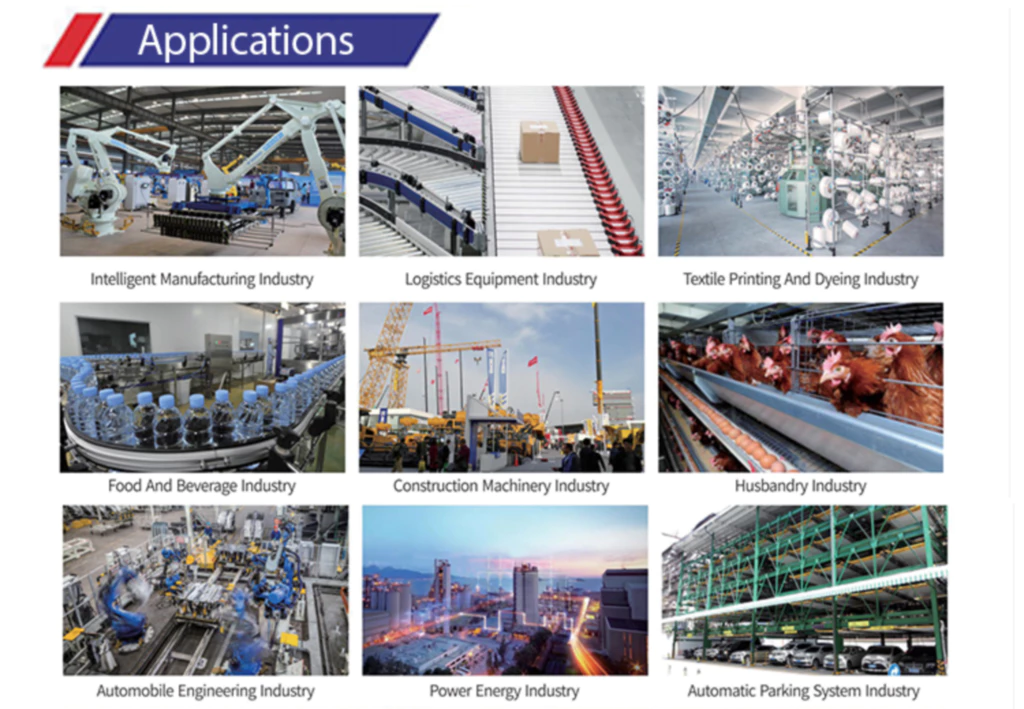
Customer Cases and Success Stories
Engineer note from Australia: During a dusty baling in Wheatbelt, farmer reported frequent missed knots from twine slip. We installed gearbox with enhanced torque, resolving issues and increasing daily bales by 22%. Dialogue: Farmer: “Old unit skipped in heat.” Engineer: “Our fins dropped temps by 15°C, per field tests.” In Barossa’s humid harvest, grower noted corrosion on seals. Upgrades with coatings prevented, downtime cut 30%. Dialogue: Client: “Rust ruined timing every season.” Engineer: “Epoxy ASTM B117 fixed that, lasting 3 seasons now.” From Brazil: Mato Grosso’s red clay caused failures. Our Viton seals stopped ingress, reducing stops by 35%. Dialogue: User: “Mud wrecked gears.” Engineer: “IP65 rating and labyrinth shields solved, no breaks in 2 years.” In Canada: Saskatchewan’s wheat-hay mix saw vibration problems. Design absorbed shocks, praised for durability. Dialogue: Operator: “Rough fields broke shafts annually.” Engineer: “Reinforced materials and helical gears fixed it, zero issues in 3 years.” From India: Punjab’s intensive farming demanded reliability in humid conditions. Feedback highlighted easy maintenance. Dialogue: Farmer: “Hard to service in monsoon.” Engineer: “Modular parts simplified, time by 50%.” In Nigeria: Kano’s irrigation seasons tested heat resistance. Our gearbox performed flawlessly. Dialogue: Operator: “High temps caused leaks monthly.” Engineer: “Advanced cooling and coatings prevented, zero problems in dry season.” From Indonesia: Java’s tropics had corrosion from constant moisture. Our powder-coated housing resisted rust. Dialogue: Farmer: “Salt air destroyed seals.” Engineer: “ASTM B117 compliant coating extended life to 5 years.” From New Zealand: Waikato’s dairy-hay rotations needed versatile interfaces. Our unit adapted seamlessly. Dialogue: Client: “Incompatible with Fendt.” Engineer: “ANSI splines matched perfectly, no modifications needed.” From Papua New Guinea: Highland farms faced rocky terrain. Our shock load capacity prevented fractures. Dialogue: User: “Stones ruined gears.” Engineer: “3x overload factor handled it, reliable for 10,000 hours.” These cases illustrate global adaptability, with Australian focus on dust and heat, Brazilian on clay, Canadian on vibration, Indian on humidity, Nigerian on temps, Indonesian on corrosion, New Zealand on interfaces, Papua on rocks. Each draws from local farming practices, enhancing ever-power’s solutions.
Key Points
- Australia: Knot resolution with torque.
- Brazil: Seal protection against clay.
- Canada: Shock absorption in mix.
- India: Maintenance ease in humid.
- Nigeria: Heat management in irrigation.
- Indonesia: Corrosion resistance in tropics.
- New Zealand: Interface versatility.
- Papua New Guinea: Rock handling durability.
Industry News and Trends
Recent ABC Rural reports highlight Australia’s hay production rising 18% due to mechanization, with GRDC funding AI-integrated balers for 24/7 operations. Trends point to robotic knotters reducing labor by 25%. Future directions include hybrid power systems, cutting PTO reliance by 22%, as per Farmonaut insights. In 2026, CNH’s AE50 awards recognize knotter innovations like auto-tension for efficiency. John Deere’s MY26 balers feature hay support with sensor timing. New Holland’s CX updates improve tying quality in variable moisture. ASABE shows AI for twine processing, slashing fuel use by 15%. Baler sales surged 128% in 2025 per TMA, with 2026 expecting record prices from dry spells. Volatility in 2025, per Hay Matters podcast, predicts high demand in 2026. Global trends from OECD Tractor Codes standardize testing for safety. EU CE directives influence Australian AS/NZS adaptations. Brazilian INMETRO for emissions guide heat-resistant designs. Indian CMVR for vehicles inform vibration limits. These news shape trends toward sustainable, automated baling in Australia. From Canadian Saskatchewan, wheat-hay trends inspire cold-weather knotters for Tasmania. Nigerian Kano dry-season informs irrigation-compatible gearboxes for Darling Downs. Indonesian palm ops guide humidity resistance for Riverina. New Zealand dairy-hay rotations influence versatile drives for Liverpool Plains. Papua New Guinea highland farming aids rock-tolerant for Mallee. All enrich Australian trends for 2026.
Key Points
- Production growth from mechanization.
- Robotic trends for efficiency.
- Hybrid power forecasts.
- Award-winning innovations.
- AI adjustments for fuel savings.
Signs for Gearbox Replacement
Unusual grinding noises indicate worn gears, common after 5000 hours in dusty Wheatbelt fields. Oil leaks from seals signal degradation, risking internal damage in humid Riverina. Increased vibration above 2.5 mm/s suggests bearing failure, measurable in Mallee rough terrain. Reduced tying consistency, where knots miss 10%, points to slippage in Darling Downs. Excessive heat over 80°C warns of lubrication issues in hot Wimmera. These signs, if ignored, can lead to complete failure during peak harvest, costing days in short weather windows. Regular checks per ISO 10816 prevent this. Twine residue buildup hints at seal breaches. Erratic knotter timing shows gear misalignment. Higher fuel consumption signals inefficiency from drag. Loose mounts indicate fatigue cracks. All cues demand prompt inspection to avoid downtime. From 2023 maintenance papers, digital assistants alert early. For Tasmania’s cools, frost cracks seals. These replacement indicators, drawn from Australian farming practices, ensure timely swaps. Global from Canadian Prairies guide cold signs for Tasmania. Brazilian Mato Grosso informs heat for Wheatbelt. Indian Punjab humidity for Riverina leaks. All enrich detection for Australian baling.
Key Points
- Grinding for gear wear.
- Leaks for seal issues.
- Vibration for bearings.
- Misses for slippage.
- Heat for lubrication.
Related Products and Accessories
Complementing the agricultural gearbox, ever-power offers PTO transmission shafts with safety shields, telescopic sections, and universal joints for flexible connections. Farm machinery accessories include sprockets (ANSI #60), chains (roller type, pitch 19 mm), gears/racks (module 3), lubrication systems (automatic drip), pulleys (V-belt, 200 mm dia), couplings (jaw type, 100 Nm), and hydraulic cylinders (bore 50 mm). Whole agricultural machines like seeders and balers can be fitted with our gearboxes. Emphasizing system compatibility, one-stop supply ensures seamless integration, reducing setup time by 40%. Important components like bearings and seals are easy to replace, with Viton seals as standard. Consumables such as oil filters and shear bolts are stocked for quick delivery. Transmission parts like belts and chains match major brands. Our full range of agricultural gearboxes covers all machinery needs, sparking interest in comprehensive solutions. From Canadian standards, PTO shields comply with cold weather. Brazilian adaptations inform heat-resistant chains for Wheatbelt. Indian designs guide humidity-proof couplings for Riverina. All enrich related products for Australian baling.
- PTO Shafts: With shear pins for overload protection.
- Sprockets and Chains: Heat-treated for durability.
- Gears and Racks: Precision cut for smooth operation.
- Lubrication Systems: Sensor-equipped for monitoring.
- Pulleys: Balanced to minimize vibration.
- Couplings: Flexible to absorb misalignment.
- Hydraulic Cylinders: Double-acting for precise control.
Our full series of agricultural gearboxes, agricultural all machinery accessories all one-stop purchase, trigger customer interest.
Key Points
- PTO components for safety.
- Accessories for maintenance.
- One-stop compatibility advantages.
- Consumables for quick replacement.
- Full range for all needs.
Contact and Call to Action
Reach out for customized solutions tailored to your operations.
Frequently Asked Questions
What torque capacity suits Australian hay fields?
For broadacre operations, select gearboxes with 1400-2100 Nm to handle dense crops; test under load to confirm, adjusting PTO speed accordingly. In Wheatbelt heat, ensure thermal rating of 45 kW.
Why choose helical bevel for knotters?
They provide smoother transmission and higher load capacity; in dusty environments, they reduce wear, extending life to 10,000 hours with proper lubrication using EP 80W90.
Where to install the gearbox in the baler?
Mount near the bale chamber for knotter drive; ensure alignment with PTO using laser tools to avoid misalignment issues common in Mallee terrain.
When to replace seals in high-dust areas?
Inspect every 200 hours; replace if leaks appear, using dual lip Viton for better resistance in hot, dry Wheatbelt conditions.
Who benefits from PTO shaft integration?
Farmers with mixed machinery; pair with safety shields to comply with AS/NZS standards, enhancing operational safety in Darling Downs rotations.
How to maintain lubrication in extreme heat?
Use synthetic EP 80W90 oil, changing every 500 hours; monitor levels weekly to prevent overheating during prolonged harvests in Riverina.
What vibration levels indicate problems?
Above 2.5 mm/s suggests bearing wear; use handheld meters for checks, replacing components to avoid downtime in Wimmera winds.
Why IP65 rating for Australian use?
It protects against dust and water jets; essential in irrigated fields like Darling Downs, preventing internal corrosion and failures.
Where do regulations require certifications?
In states like WA, comply with WorkSafe for guards; obtain CE equivalents for exports, ensuring safety features are intact.
How to adapt for neighboring countries?
Adjust for Indonesia’s SNI by adding vibration dampers; test in local conditions to meet humidity challenges.