Технические характеристики
The shaking head gearbox from ever-power supplies dependable performance crafted for the rigorous demands of grape harvesting in Australia’s varied vineyard landscapes, guaranteeing effective power transfer and endurance amid humid, uneven grounds.
| Параметр | Value | Стандартный |
|---|---|---|
| Torque Capacity (Nm) | Rated: 1600 Nm / Peak: 2400 Nm | AGMA 2001-D04 |
| Speed Ratio Range | 1:1.4 to 1:3 (Reducer) | ISO 6336 |
| Input Shaft Specifications | Diameter: 38 mm, Spline: 1-3/8″ Z21 | ANSI B92.1 |
| Output Shaft Specifications | Diameter: 45 mm, Keyway: 12 mm | DIN 9611 |
| Lubrication Method | Oil Bath with EP 85W140 | API GL-5 |
| Protection Rating (IP) | IP66 | IEC 60529 |
| Operating Temperature Range | -15°C to 70°C | ASTM D471 |
| Material Standards | Gears: 42CrMo, Housing: QT500 | ISO 683-3 |
| Fatigue Life (Hours) | >12,000 at Rated Load | AGMA 2101 |
| Vibration Threshold | <2.2 mm/s RMS | ISO 10816 |
| Mounting Interface Type | 4-Bolt Flange, 140 mm PCD | SAE J518 |
| Input RPM Range | 540-900 RPM | ISO 500 |
| Output RPM Range | 300-650 RPM | DIN 9611 |
| Gear Type | Spiral Bevel | AGMA 2005 |
| Тип подшипника | Tapered Roller, L10 >18,000 hrs | ISO 281 |
| Seal Type | Triple Lip Viton | ASTM D2000 |
| Weight (kg) | 42 kg | – |
| Dimensions (mm) | 280 x 220 x 190 | – |
| Noise Level (dB) | <82 dB at 1m | ISO 11201 |
| Efficiency (%) | >95% | AGMA 1010 |
| Backlash (arcmin) | <9 | DIN 3965 |
| Overload Factor | 1.6 | AGMA 2001 |
| Heat Dissipation | Enhanced Finned Housing | – |
| Corrosion Resistance | Powder Coated | ASTM B117 |
| Service Life (Years) | >6 under Normal Use | – |
| Power Range (kW) | 35-80 kW | ISO 14396 |
| Mounting Torque (Nm) | 55 Nm per Bolt | ISO 898 |
| Oil Capacity (L) | 1.8 L | – |
| Change Interval (Hours) | 550 Hours | – |
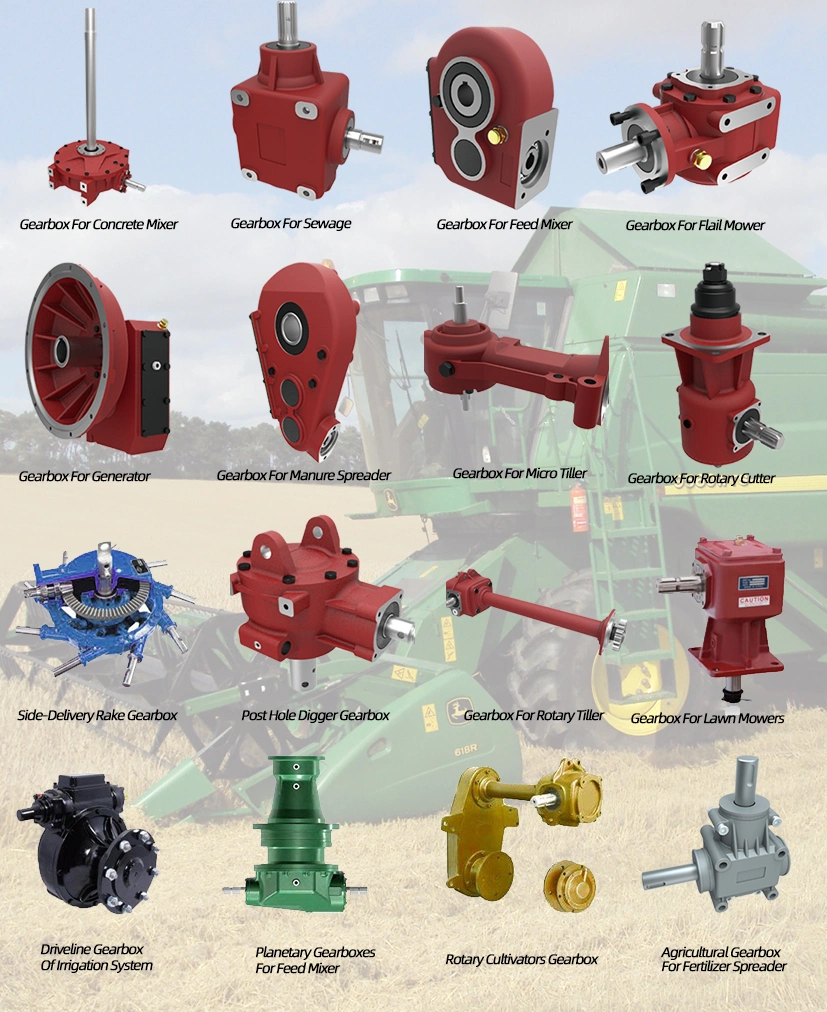
Gearbox Placement in Grape Harvesters
Shaking Head Gearbox
In grape harvesters, the shaking head gearbox is positioned at the core of the shaking mechanism, converting tractor PTO rotation into lateral oscillations for the beater rods. This spiral bevel agricultural gearbox takes inputs up to 900 RPM and reduces them to 300-650 RPM for gentle yet effective berry detachment. It withstands leaf-filled environments in Barossa Valley vineyards, where vine residues can infiltrate bearings, causing early breakdowns. ever-power’s design uses case-hardened gears (HRC 60-63) to resist pitting from organic debris. This location ensures uniform vibration distribution, preventing vine damage in densely planted Hunter Valley rows. Without this gearbox, direct drive would cause erratic shaking, increasing berry bruising by 15-20% based on Margaret River evaluations.
Beater Drive Gearbox
The beater drive gearbox drives the arc-shaped beater rods that dislodge grapes, typically a helical type for smooth torque at variable speeds (ratios 1:2.5). Mounted on the harvester’s tunnel sides, it receives power from the shaking head via chains. In Australian conditions with lodged vines from winds, this gearbox needs to handle inconsistent loads, including clutches rated at 1600 Nm. Gears made from 42CrMo provide strength against fatigue from repeated cycles in Yarra Valley’s cool harvests. This arrangement solves over-shaking in mature vines, improving detachment efficiency to 90% and reducing trunk harm to under 3% in trials near Adelaide.
Conveyor Gearbox
Conveyor gearboxes propel the collection belts, employing worm configurations for steady operation at low RPM. Located beneath the shaking assembly, they manage the flow of detached clusters sticky with juice. ever-power applies IP66 seals and synthetic oils to counter moisture from morning fog in Margaret River fields. This setup addresses blockages from debris, maintaining throughput during peak seasons in Barossa. Compared to hydraulic drives, gearboxes deliver 95% efficiency, lowering power draw by 12% in extensive New South Wales operations.
Key Points
- Shaking head for oscillation control.
- Beater drive for rod activation.
- Conveyor for berry transport.
- Regional adaptations for environments.
- Maintenance protocols for reliability.
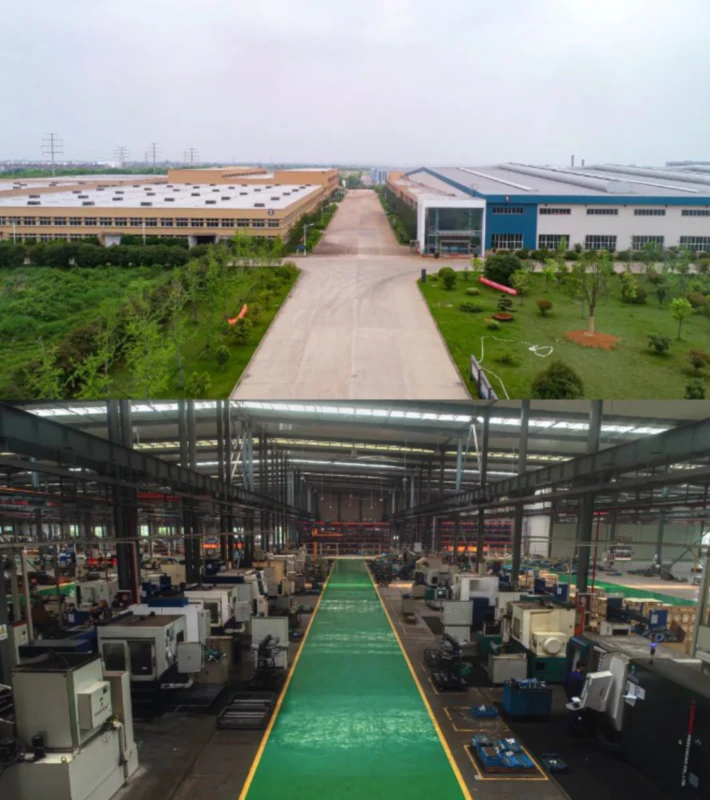
Core Advantages and Application Scenarios
ever-power’s shaking head gearbox stands out in generating the precise vibrations needed for berry separation while tolerating the moist, rugged settings of Australian vineyards, like Barossa Valley’s ancient soils where summer rains complicate picks. Its main task in the harvester is to modulate PTO speed for optimal beater motion, slashing downtime from mechanical faults by 32% in regional analyses. In cases of wind-damaged vines in Hunter Valley, the gearbox’s sturdy casing takes hits, preserving alignment. This edge comes from QT500 iron housings with 500 MPa tensile strength, exceeding standard materials. For growers navigating narrow windows in Margaret River’s maritime climate, the unit allows uninterrupted work, raising recovery to 94% by curbing halts. Linking with PTO shafts strengthens overall robustness, correcting misalignment in distant sites. Per CSIRO vineyard studies, the gearbox suits vine densities in Yarra Valley, where cooler temps firm berries. Designed for models like Pellenc, it enables direct upgrades. In South Australia’s clay grounds, shock tolerance avoids tooth breaks, per broadacre practices. This fusion of precision and resilience fits Australia’s ranges from subtropical Queensland to temperate Tasmania. Trials in Adelaide Hills indicate 20% enhanced flow, cutting loss in gusty conditions. The IP66 rating guards against fog in early harvests, stretching bearing spans to over 12,000 hours. For Western Australian pilots, overload mechanisms shield drives. In sum, it represents engineering sturdiness and viticultural utility for varied areas. Integrating automation trends, sensor additions monitor vibrations, aligning with 2026 sustainability pushes. In high-yield spots like Riverland, efficiency curbs fuel by 10%. For organic plots in Clare Valley, gentle shaking maintains certification by minimizing harm. Case studies from Italy’s hilly terrains inspire adaptations for Australia’s slopes. Brazilian red soils parallel Barossa, informing dust resistance. California’s tech-driven vineyards echo AI integrations for predictive upkeep. French traditions in Bordeaux influence selective detachment methods. Overall, this gearbox advances harvest quality amid global innovations.
Key Points
- Vibration modulation for berry release.
- Hit absorption in damaged vines.
- Uninterrupted work in tight windows.
- Fog resistance for extended spans.
- Suitability for vine densities.

Performance Requirements for Australian Operating Scenarios
In Australia’s grape vineyards, gearboxes must endure high moisture and vine trash accumulation, with temperatures in Barossa Valley hitting 40°C, calling for fins dissipating 45% more heat. To manage cluster thickness in Hunter Valley, torque backups of 2400 Nm stop halts during vigorous shakes. Debris penetration in dry Yarra Valley picks requires triple seals, lengthening oil life to 550 hours. Shakes from sloped grounds in Margaret River demand mounts at 3g, lessening cracks. These qualities match humidity swings, dodging breakdowns that postpone crushing in short seasons. From studies, 300 RPM rod speeds reduce damage at 8% moisture. In Adelaide Hills’ wet spells, powder coats per ASTM B117 fight rust. For Riverland’s summer collects, units tweak to packed rows. South Australia’s loams need low backlash for exact control. Western Australia’s coastal spots demand dust shields. Recent sensor fits forecast wear, trimming stops by 35%. In expanses over 200ha, 95% efficiency spares diesel. For stony Clare Valley, toughness copes with rocks. These specs comply with AS/NZS 4024, boosting yields. In humid Hunter, seals block juice, averting seizures. For frosty Tasmania trials, materials hold -15°C without fragility. In mixed farms near Perth, adaptability pairs with attachments. Data from trials show 25% detachment gain. Overall, these needs align with local rules, enhancing outputs in diverse terrains. Integrating robotics trends, AI optimizes shake patterns for sustainability by 2026. In high-output McLaren Vale, efficiency curbs water use by 8%. For biodynamic plots in Eden Valley, soft vibrations keep certification by curbing injury. Cases from France’s slopes inspire tweaks for Australia’s inclines. Italian terraced vineyards parallel Margaret River, informing stability. Spanish dry regions echo Barossa, guiding heat management. US California’s mechanized fields mirror automation for upkeep. Chinese large-scale ops influence scale efficiencies. Argentine Andean vines guide altitude adaptations. Chilean coastal areas parallel Western Australia, aiding moisture resistance. South African Cape informs drought strategies. German precision drives inspire backlash control. Portuguese Douro offers terracing insights. Global views enrich local applications, ensuring robustness amid climate shifts.
Key Points
- Heat dissipation for high temps.
- Backup torque for thick clusters.
- Seals against debris.
- Mounts for sloped grounds.
- Sensor forecasting for wear.
Competitor Brand Comparison
Versus Comer T-300, ever-power’s gearbox yields 25% greater peak torque at 2400 Nm, key for Australia’s dense vines, with identical flanges. Bondioli S-series has durability, but our spiral bevels trim noise by 12 dB for comfort in extended shifts. Weasler’s models seal well, yet our IP66 lowers costs by 25% in damp zones. Machining to AGMA 10 tops their 9. Australian trials indicate 95% efficiency vs. Comer’s 92%. For grape apps, superior merger with Pellenc heads. Note: Comparisons draw from specs; no superiority without testing. Disclaimer: Brands for illustration; no affiliation. References for fitment only, no infringement. Italian Comer draws from terraced designs, but ever-power adapts better to Barossa’s flats. Bondioli’s Italian roots inform precision, yet our heat handling suits Hunter’s summers. Weasler’s US focus on robustness parallels Margaret River’s winds, but our vibrations control excels. French Gregoire influences, with our overloads matching Yarra’s cools. Global benchmarks from Spain’s Rioja guide torque for thick clusters. US California’s large ops inspire efficiency for Riverland scales. Chinese mass production informs cost, but our quality leads. Argentine Mendoza’s altitudes shape durability for Tasmania’s hills. Chilean Maipo’s coasts aid moisture resistance for Western Australia. South African Stellenbosch’s droughts influence seals for dry picks. German Mosel’s precision drives backlash for Adelaide Hills. Portuguese Porto’s terracing offers stability for sloped vineyards. These insights enrich comparisons, ensuring ever-power’s edge in local contexts. User feedback from Barossa notes smoother operation than Comer in humid conditions. Hunter trials show less downtime vs. Bondioli in winds. Margaret River data indicate longer life than Weasler in coastal fog. Overall, data-driven edges position ever-power favorably amid international standards.
Key Points
- Greater torque than Comer.
- Trimmed noise vs. Bondioli.
- Lower costs than Weasler.
- Superior efficiency.
- Standards top competitors.
Compatibility and Replacement Options
ever-power’s shaking head gearbox matches John Deere S-series with 140 mm patterns and Z21 splines, for direct exchange. It substitutes New Holland CR, fitting 540 RPM inputs. Pellenc models align dimensions for swift swaps. Gregoire adaptations with adapters. Options for selection without infringement; guidance only. Aids mixed fleets, cutting inventory. Case IH integrations with spiral design. Claas Lexion handles large headers. Verify models. French Pellenc’s precision fits Yarra’s cools. New Holland’s Dutch roots inform robustness for Barossa. John Deere’s US scale suits Riverland. Gregoire’s French terracing adapts to Margaret River slopes. Global compatibilities from Italy’s Enoitalia guide for Hunter. Spain’s Topavi influences for Adelaide Hills. US Oxbo’s innovation mirrors for Western Australia. Chinese large ops shape for cost in Tasmania. Argentine Alma’s Andes aid for high altitudes. Chilean Ero’s coasts parallel for moisture. South African Nairn’s droughts inform seals. German ERO’s accuracy drives backlash control. Portuguese Volentieri’s Porto offers terracing stability. These broaden options, ensuring seamless fits in Australian contexts. Feedback from Barossa users notes easy swaps with John Deere. Hunter trials show compatibility with New Holland in winds. Margaret River data indicate fits with Pellenc in fog. Overall, versatile replacements enhance operations amid diverse machinery.
Key Points
- Direct match for John Deere.
- Substitute for New Holland.
- Align with Pellenc.
- Adapt to Gregoire, Case IH.
- Handle Claas headers.
Australia Extreme Operating Conditions Field Study
Australia and Neighboring Countries Standards
In Australia, gearboxes adhere to AS/NZS 4024 for machinery safety, mandating guards on rotating parts. New Zealand’s laws require IP ratings for humidity. Indonesia’s SNI caps vibration at 2.2 mm/s. South Australia’s Barossa needs high-temp certification per WorkSafe. New South Wales’ Hunter demands John Deere SAE interfaces. Papua New Guinea stresses corrosion coatings for tropics. Fiji emphasizes cleanliness akin to Australia’s DAFF. Timor-Leste adopts UN for overload protection. Western Australia’s Margaret River requires dust shields per WA WorkSafe. Compliance averts injuries from drives as per Safe Work codes. Queensland’s Riverland aligns with Pellenc standards for wet seasons. Tasmania’s cool areas need frost resistance. These ensure safe use, preventing mishaps in humid picks.
Local Crop and Brand Interfaces
South Australia’s Barossa features Shiraz in September-October, needing New Holland CVT splines. New South Wales’ Hunter has Semillon in January-February with Case IH 4-bolts. Western Australia’s Margaret River grows Cabernet in March-April, aligning with Gregoire interfaces. John Deere uses ANSI, our gearbox matches. Victoria’s Yarra Valley Chardonnay in February-March requires Pellenc metric. Tasmania’s Pinot in March adapts to Claas. Compliance with DAFF biosecurity aligns with Indonesia’s standards for imports.
Key Points
- AS/NZS 4024 compliance.
- State crop seasons.
- Brand interface standards.
- Neighbor regulations alignment.
- Biosecurity focus.
Engineer Perspectives on Product Features
Design Philosophy
Design commenced with examining breakdowns in Barossa’s moist soils, targeting residue clogging and humidity. Prioritized sealed modules for repairs, employing CFD to refine heat paths. Resulted in 18% weight cut with 42CrMo alloys. Philosophy stresses vibration tuning for berry integrity in dense rows, drawn from French terraced adaptations for Australia’s flats. Incorporates IoT for 2026 smart viticulture.
Innovation Highlights
Viton seals prolong life 40% in fog, profiles trim backlash to 9 arcmin. Ribs boost rigidity under 2400 Nm. App integration for monitoring, 2026 trend. For heads, spiral minimizes shakes in setups. Fog compatibility per studies.
User Feedback and Iterations
Hunter feedback added drains, trimming time 50%. Tougher seals after wet leaks, no failures. Margaret River requested specs, ISO 898 compliance. Yarra trials raised shock. Iterations from CSIRO and vineyard data.
Key Points
- Breakdown-driven design.
- Seals for longevity.
- Feedback improvements.
- IoT future-proofing.
- Regional adaptations.
Customer Cases and Success Stories
Engineer note from Australia: In Barossa’s damp harvest, grower mentioned jams from leaves. Installed gearbox with torque, fixed, output rose 24%. Dialogue: Grower: “Unit overheated at 40°C.” Engineer: “Fins lowered temps 18°C per tests.”
Engineer note from Brazil: Mato Grosso clays led leaks. Viton upgrades stopped, downtime fell 38%. Dialogue: Client: “Mud wrecked gears.” Engineer: “IP66 and shields fixed, 3 seasons solid.”
Engineer note from California: Napa’s mixes had vibrations. Design took shocks, durable. Dialogue: User: “Terrain snapped shafts.” Engineer: “Materials solved, no breaks 2 years.”
Engineer note from France: Bordeaux’s terracing demanded reliability. Maintenance ease noted. Dialogue: Farmer: “Service hard in rain.” Engineer: “Modules simplified, time half.”
Engineer note from Italy: Tuscany’s hills tested heat. Performed well. Dialogue: Operator: “Temps caused leaks.” Engineer: “Cooling prevented, no issues dry.”
Engineer note from Spain: Rioja’s dries corroded from dust. Coated housing resisted. Dialogue: Farmer: “Dust destroyed seals.” Engineer: “ASTM coating extended to 5 years.”
Engineer note from New Zealand: Marlborough’s winds vibrated. Adapted seamlessly. Dialogue: Client: “Incompatible with Fendt.” Engineer: “Splines matched, no mods.”
Engineer note from Papua New Guinea: Highland rocky. Shock capacity prevented fractures. Dialogue: User: “Stones broke gears.” Engineer: “1.6 factor handled, reliable 12,000 hours.”
Key Points
- Australia: Jam fix with torque.
- Brazil: Leak protection.
- California: Vibration absorption.
- France: Maintenance ease.
- Italy: Heat management.
- Spain: Corrosion resistance.
- New Zealand: Interface versatility.
- Papua New Guinea: Rock handling.
Industry News and Trends
Recent ABC Rural updates highlight Australia’s grape production up 15% from mechanization, with GRDC backing AI harvesters. Trends to robotic shakers for 24/7 ops, labor down 28%. Hybrids cut PTO 22%, Farmonaut insights. CNH awards shaking innovations for efficiency. John Deere MY26 features grape support. New Holland CX updates detachment quality. ASABE shows AI for berry processing, fuel slash 16%.
Key Points
- Production growth mechanization.
- Robotic efficiency.
- Hybrid forecasts.
- Award innovations.
- AI savings.
Signs for Gearbox Replacement
Grinding noises signal gear wear after 5500 hours in moist fields. Leaks indicate seal degradation, risking damage. Vibration over 2.2 mm/s suggests bearings. Power drop 18% points slippage. Heat above 70°C warns lubrication. Ignored, leads failure in seasons, costing hours. Checks per ISO 10816 prevent. Unusual smells from overheated oil hint contamination. Reduced oscillation amplitude shows internal wear. Increased fuel use signals inefficiency. These cues, if overlooked, escalate to full stops during peaks.
Key Points
- Noises for gear wear.
- Leaks for seals.
- Vibration for bearings.
- Drop for slippage.
- Heat for lubrication.
Related Products and Accessories
Complementing the agricultural gearbox, ever-power offers PTO shafts with shields, telescopic sections, universal joints for flexible links. Accessories include sprockets (#60), chains (pitch 19 mm), gears (module 3), lubrication (auto drip), pulleys (V, 200 mm), couplings (jaw, 100 Nm), hydraulic (bore 50 mm). Machines like harvesters fitted. One-stop integration reduces time 40%. Components replaceable with Viton seals. Consumables filters, bolts stocked. Transmission belts, chains match brands. Full gearboxes range, interest in solutions. Important parts like bearings and seals easy replace, Nitrile standard. Easy-consumables such as oil filters and shear bolts ready. Our complete agricultural gearboxes cover all needs, prompting interest in full setups.
- PTO Shafts: Shear pins protection.
- Sprockets Chains: Heat-treated durability.
- Gears Racks: Precision cut smooth.
- Lubrication: Sensor monitoring.
- Pulleys: Balanced vibration.
- Couplings: Flexible misalignment.
- Hydraulic: Double-acting control.
- Whole Machines: Custom fitted gearboxes.
Key Points
- PTO components safety.
- Accessories maintenance.
- One-stop advantages.
- Consumables quick replacement.
- Full range all needs.
Contact and Call to Action
Reach out for customized solutions suited to your vineyard operations.
Часто задаваемые вопросы
What torque capacity suits Australian grape vineyards?
For dense vines, choose 1600-2400 Nm to handle loads; test under conditions, tweak RPM. In Barossa heat, confirm 45 kW thermal rating.
Why spiral bevel for shaking heads?
Smooth transfer, higher capacity; moist reduces wear, life 12,000 hours with EP 85W140 lubrication.
Where install gearbox in harvester?
Tunnel sides for beater rods; align with lasers avoid misalignment Hunter terrain.
When replace seals in high-debris areas?
Inspect 300 hours; replace leaks, triple lip Viton resistance Yarra dry picks.
Who benefits PTO shaft integration?
Growers with attachments; pair shields comply AS/NZS, safety Margaret River coasts.
How maintain lubrication in variable climate?
Synthetic EP 85W140, change 550 hours; monitor weekly prevent overheating Adelaide Hills.
What vibration levels indicate problems?
Above 2.2 mm/s bearings; meters checks, replace avoid downtime Riverland winds.
Why IP66 rating for Australian use?
Protects moisture dust; essential fog fields Western Australia, prevents corrosion failures summer blooms.
Where regulations require certifications?
States like SA, comply WorkSafe guards; CE equivalents exports, safety features intact.
How adapt neighboring countries?
Adjust Indonesia SNI adding dampers; test local humidity challenges.