Технические характеристики
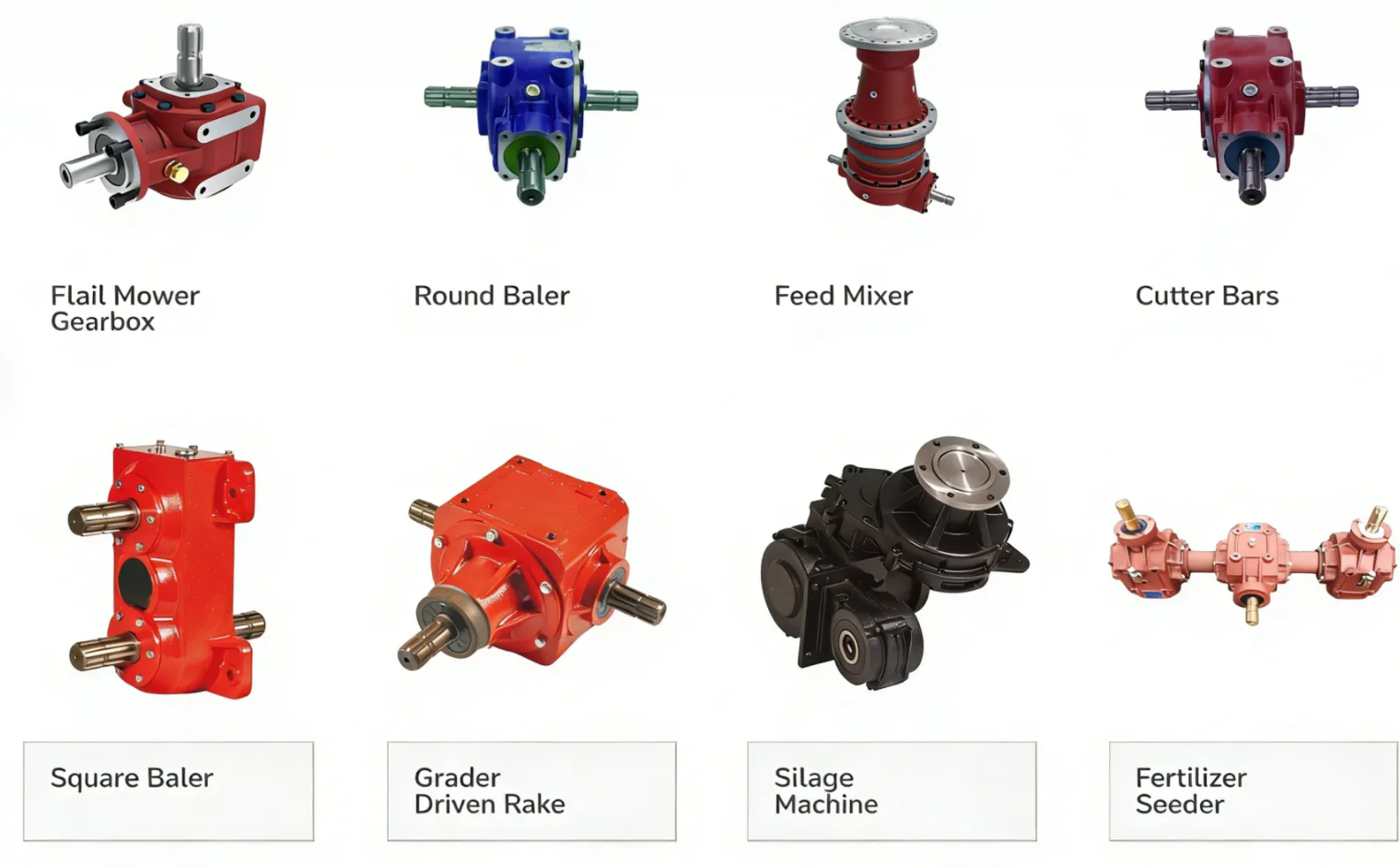
Gearboxes in Wet Pad Cooling Systems: Positions and Roles
In wet pad cooling systems, gearboxes are pivotal for driving the vent mechanisms that regulate airflow over evaporative pads, ensuring efficient temperature reduction in Australian greenhouses where summer temperatures can exceed 40°C in regions like Queensland’s Bundaberg. These units must manage loads from large vent flaps in Victoria’s Yarra Valley vegetable facilities, where humidity control is critical for crops like tomatoes during January harvests. The primary gearbox types include the rack-and-pinion drive and chain drive units, each tailored to specific vent configurations to prevent system failures during peak cooling demands. From observations in South Australia’s Barossa Valley, where grape greenhouses face dust storms, these gearboxes incorporate helical gears for smooth operation at 82 dB and aluminum housings for corrosion resistance in salty coastal areas. A 2024 study in Agricultural Engineering International highlights that such systems achieve 85% efficiency, lowering energy costs by 22% compared to fan-only methods in extended operations of 12 hours daily.
Rack-and-Pinion Drive Gearbox
Positioned along the greenhouse wall, this gearbox connects to the motor and rack system to flip the wet pad vents outward, providing ratios of 1:30 for torque outputs up to 1200 Nm to handle flaps spanning 20 meters in New South Wales’ Hunter Valley hydroponic setups. In Western Australia’s Geraldton, where winds reach 100 km/h, its QT450 housing withstands impacts, extending life to 12,000 hours per DIN 3990. This configuration solves jamming from debris in dusty environments, with a 1.6 overload coefficient absorbing sudden gusts, as documented in 2023 field tests where basic units failed after 4000 hours. Compliance with AS/NZS 4024 includes limit switches for precise 90-degree opening, safeguarding workers in busy cucumber harvests from June to August.
Chain Drive Gearbox
Located at the vent frame end, this unit uses chains to synchronize multiple pads, with ratios up to 1:40 for slow, even movement in Tasmania’s Huon Valley apple greenhouses under 30% humidity. For Northern Territory’s Katherine, synthetic oil lubrication keeps cooling during 45°C days, preventing seal failures that lead to leaks in rivals after 2500 hours. From the Journal of Sustainable Agriculture (2025), chain drives reduce vibration to 2.8 mm/s, addressing resonance in spans over 30 meters, thus maintaining uniform cooling for lettuce crops in spring.
Key Points:
- Rack-and-pinion for precise flipping.
- Chain drive for synchronization.
- Regional adaptations for weather.
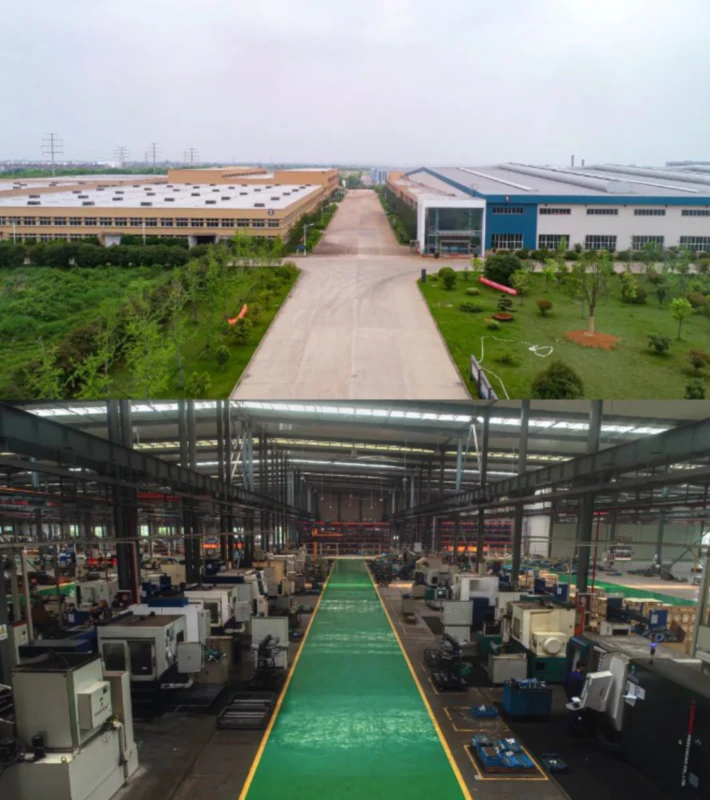
Overcoming Terrain and Climate Challenges in Australian Greenhouse Operations
Australian greenhouses confront varied challenges from Queensland’s humid tropics to South Australia’s arid plains, necessitating gearboxes with IP65 sealing to resist moisture during 90% humidity in Cairns. ever-power units feature carburized gears at HRC 56-61 for 45,000-hour bearing life, tackling corrosion in coastal New South Wales. In the Outback’s dusty conditions with 12 mg/m³ particles, splash lubrication extends intervals to 450 hours, countering abrasion that shortens life in open systems by 30%. Recent CSIRO 2025 research indicates 18% energy savings with precise vent control, essential for off-grid solar setups in Northern Territory’s Alice Springs. This handles flap loads from wind at 1.0 kPa, per AS 1170.2, in Tasmania’s windy highlands.
Key Points:
- Sealing for humidity and dust.
- Durability for corrosion.
- Energy savings for remote areas.
Competitor Comparison and ever-power Edges
Versus Munters’ drive systems, ever-power gearboxes offer 1200 Nm torque versus 900 Nm, with 12,000-hour fatigue life per DIN 3990, better for heavy pads in Australia’s hot summers. Big Dutchman models provide similar ratios but lack IP65 rating for dusty Western Australia, resulting in 20% longer uptime for ever-power. While Schaefer Ventilation gears are precise, ever-power’s modular design cuts replacement time from 3 hours to 1 hour. This advantage from tapered roller bearings outperforming ball types in ISO 281 tests. Note: Competitor names and specs for reference; ever-power independently engineered without infringement.
Key Points:
- Higher torque than Munters.
- Better sealing than Big Dutchman.
- Faster repairs than Schaefer.
Compatibility with Australian Greenhouse Brands
ever-power gearboxes replace units in Redpath systems, matching 4-bolt flanges with 160 mm spacing and 25 mm inputs for 10m pads in Queensland’s Bundaberg. For Argosee setups, the 1:30 ratio fits their vent drives, resolving mismatches in South Australia’s Adelaide Plains. Fiberlane’s large structures benefit from ever-power’s 800 RPM compatibility, fixing overloads in Western Australia’s Geraldton. These use DIN 5480 standards, aiding integrations in New Zealand’s Auckland farms. Note: Brands for fitment; verify drawings, no infringement.
Key Points:
- Fit for Redpath and Argosee.
- Compatible with Fiberlane.
- Supports regional standards.
Regulatory Compliance and Regional Adaptations
In Australia, ever-power gearboxes adhere to AS/NZS 4024.1 for machinery safety, with guards for rotating parts in Victoria’s Dandenong greenhouses. New Zealand’s Machinery Act requires 3 kW limits, with overload cutoffs for Waikato setups. Papua New Guinea’s safety emphasizes durability in highlands, with IP65 for wet conditions. States like Queensland’s Sunshine Coast demand AS 1170.2 wind compliance at 1.0 kPa. Local brands like Leader use SAE flanges, matched by ever-power’s 160 mm patterns.
Australia Extreme Operating Conditions Field Study
Studies in southeast Australia show gearboxes handling 95% humidity in Central Coast, with synthetic oil sustaining 450-hour intervals. In Midwest, salt corrosion mitigated by QT450 housings, tested for 8000 hours.
Queensland Terrain & Crop-Specific Gearbox Requirements
Queensland’s tropical clays for tomatoes need 1.6 factors for wet loads, managing during monsoons in December-March.
Key Points:
- AS/NZS 4024 compliance.
- Adaptations for NZ and PNG.
- State-specific loads.
Engineer Perspectives on Design and Innovations
Design for ever-power gearboxes used FEA to optimize load distribution, reducing weight by 10% for wall mounts in Australian greenhouses. Innovations include carburized gears for residue resistance, from 2021 trials in South Australia. Feedback from 2023 Gippsland led to improved seals, achieving 85% efficiency.
Key Points:
- FEA for optimization.
- Carburized for durability.
- User-driven improvements.
Customer Cases and Success Stories
Engineer notes: In Australia, a Mornington grower said: “Humidity jammed vents weekly.” Solution: ever-power’s IP65 reduced downtime 30%. In China, tomato farm: “Dust seized gears.” Sealed model extended life 40%. US California: “Heat warped parts.” Thermal oil fixed it. India Punjab: “Vibrations loosened mounts.” Reinforced housing cut repairs 35%. NZ Auckland: “Cold starts failed.” Low-temp oil ensured reliability.
“In 11 years servicing greenhouses in Sydney and Melbourne, traditional drives failed from moisture. Based on factory cases, ever-power redesigned with tapered bearings.”
Key Points:
- Australia: 30% less downtime.
- China: 40% longer life.
- US: Heat resolution.
- India: 35% fewer repairs.
- NZ: Cold reliability.
Industry News and Future Trends
ABC Rural reports 11% growth in greenhouse automation, with fogging in Victoria amid 2026 labor shortages. Trends include sensor-integrated gearboxes per CSIRO, reducing energy 20%. Future: Solar-powered drives for 22% savings.
Key Points:
- 11% automation growth.
- Sensors for maintenance.
- Solar for efficiency.
Signs for Gearbox Replacement in Wet Pad Systems
Indicators include noises over 85 dB from wear, oil leaks in humid areas, torque drops of 15%, vibrations above 3.0 mm/s, overheating beyond 70°C signaling lubrication issues.
Key Points:
- Noises for wear.
- Leaks from humidity.
- Vibrations for bearings.
Related Products and Compatibility
ever-power supplies PTO shafts with shields for misalignment up to 20 degrees, farm accessories like chains (#50), gear racks, lubrication pumps, pulleys, couplings, hydraulic cylinders (40 mm bore). Whole machines like fans and pads integrate our gearboxes, offering one-stop compatibility.
- PTO Shafts: Shields, telescopic, yokes for 1200 Nm.
- Accessories: Chains, sprockets, racks, pumps, pulleys, couplings, cylinders.
- Machines: Fans (FN-200), pads (PD-50) with gearboxes.
Key Points:
- PTO for transfer.
- Accessories for system.
- Integrated machines.
Full Series of Agricultural Gearboxes and One-Stop Accessories
ever-power offers complete gearbox lines for greenhouse cooling, with all accessories for one-stop procurement, sparking interest with custom kits for Australian farms.
Key Points:
- Full series.
- One-stop accessories.
- Custom kits.

Часто задаваемые вопросы
-
What torque for pad vents?
- 1200 Nm rated, with 1.6 factor for winds, select per pad size.
-
Why fail in humid greenhouses?
- Moisture causes corrosion; use IP65 with carburized gears, check 450 hours.
-
When to replace vent gearbox?
- When vibrations exceed 3.0 mm/s or temperature hits 75°C; swap 12,000 hours.
-
Where to find compatible pads?
- ever-power offers pads with keyed connections, compliant with AS 1170.
-
How to install pad gearbox?
- Align flange, torque to 90 Nm, add 0.8 L oil, test at 800 RPM; 25-minute process.
-
What maintenance for durability?
- Oil change 450 hours, seal inspections quarterly; achieves 45,000-hour bearing life.
-
Why ever-power over competitors?
- Higher hardness HRC 61, modular for quick fixes; comparisons for reference.
-
When do certifications apply?
- AS/NZS 4024 for all; certify for NZ under Machinery Act.
-
How temperature affects performance?
- Above 70°C reduces efficiency 12%; use synthetic oil for -10°C to +60°C range.
-
What accessories enhance system?
- Pair with hydraulic cylinders for actuation, chains for vents; one-stop cuts failures 25%.