Technical Specifications
| Παράμετρος | Value | Πρότυπο |
|---|---|---|
| Torque Capacity (Nm) | Rated: 200 Nm / Peak: 350 Nm | AGMA 2001-D04 |
| Speed Ratio Range | 1:40 to 1:60 | ISO 6336 |
| Input Shaft Specifications | Diameter: 25 mm, Keyed | DIN 6885 |
| Output Shaft Specifications | Diameter: 32 mm, Splined | ANSI B92.1 |
| Μέθοδος λίπανσης | Oil Bath with Synthetic Oil | API GL-5 |
| Protection Rating | IP65 | IEC 60529 |
| Operating Temperature Range | -20°C to 60°C | AS/NZS 1170 |
| Material Standards | Housing: Cast Aluminum Alloy | ISO 6336-5 |
| Fatigue Life (Hours) | 10,000 Hours at Rated Load | AGMA 2101 |
| Vibration Threshold | Less than 2.5 mm/s RMS | ISO 10816 |
| Mounting Interface Type | Flange Mount with 4 Bolts | SAE J744 |
| Power Range (kW) | 0.37 kW to 1.5 kW | ISO 14396 |
| Input RPM Range | 540 to 1000 RPM | DIN 9611 |
| Output RPM Range | 5 to 20 RPM | – |
| Gear Material | 20CrMnTi, Carburized | AISI 5120 |
| Seal Type | Double Lip Oil Seal | – |
| Τύπος ρουλεμάν | Tapered Roller Bearings | L10: 50,000 Hours |
| Noise Level (dB) | Less than 70 dB at 1m | ISO 11201 |
| Efficiency (%) | 95% | – |
| Backlash (Arcmin) | Less than 10 | – |
| Weight (kg) | 15 kg | – |
| Dimensions (mm) | 200 x 150 x 180 | – |
| Overload Factor | 1.5 | – |
| Self-Locking Capability | Yes, Worm Gear Design | – |
| Limit Switch Integration | Mechanical Gear Type | – |
| Corrosion Resistance | Powder Coated Finish | ASTM B117 |
| Impact Resistance | IK08 | EN 62262 |
| Thermal Expansion Coefficient | 12 x 10^-6 /°C | – |
| Lubricant Volume (L) | 0.5 L | – |
| Maintenance Interval (Hours) | 5000 Hours | – |

Gearbox Placement in Electric Roll-up Systems
In electric roll-up systems for greenhouses, agricultural gearboxes serve as the pivotal component translating motor power into controlled movement of ventilation films. These systems, prevalent in Australian horticulture for managing temperature and humidity in structures housing crops like tomatoes and cucumbers, rely on precise gearbox positioning to handle the demands of vast, wind-exposed setups in regions such as South Australia or Queensland. The gearboxes must withstand daily cycles of extension and retraction, often under loads from heavy polyethylene films spanning 50 meters or more. Incorrect placement leads to uneven rolling, film tearing, or motor overload, disrupting airflow and risking crop stress from overheating or excessive moisture. By mounting gearboxes at strategic points, operators ensure uniform tension and alignment, critical for maintaining optimal growing conditions amid Australia’s variable climate, where sudden gusts can exceed 80 km/h. This setup not only prolongs equipment life but also minimizes energy consumption by reducing strain on the drive mechanism. Engineers often calculate placement based on film weight, span length, and expected wind forces, using formulas derived from AS 1170.2 for wind actions to predict torque requirements accurately.
Side Wall Installations
Side wall placements involve securing the agricultural gearbox at the base or midpoint of vertical roll-up curtains, where it interfaces with the roll tube to manage lateral ventilation. In Australian greenhouses, this configuration addresses the challenge of crosswinds common in coastal areas like New South Wales, which can cause film flapping and premature wear. Worm gear designs with high reduction ratios, such as 1:50, provide the necessary torque to lift films weighing up to 100 kg without slippage, incorporating self-locking features to hold positions against gravity or wind pressure. This prevents accidental closures during power outages, a frequent issue in remote farms reliant on inconsistent grids. Proper alignment requires bolting the gearbox to reinforced brackets, ensuring the output shaft aligns perfectly with the roll tube to avoid binding, which could increase motor current draw by 20% and lead to overheating. Regular inspections for seal integrity are essential, as dust ingress in arid zones like Western Australia can accelerate gear abrasion, reducing lifespan from 10,000 to 5,000 cycles. By integrating limit switches within the gearbox, operators automate stops at full open or closed positions, enhancing safety and efficiency while complying with AS 4024 standards for machinery guarding.
Top Vent Applications
For top vent systems, gearboxes are typically mounted at the apex of the greenhouse roof, driving horizontal roll tubes that open ridge vents for hot air expulsion. In Australia’s intense summer heat, reaching 45°C in inland Victoria, this placement is vital for rapid heat dissipation, preventing crop wilting in high-value operations like berry production. Compact, three-phase geared motors with IP65 ratings resist moisture from condensation, delivering consistent 400 Nm torque to handle inclined loads where gravity assists closure but resists opening. Misalignment here often results in uneven venting, creating hot spots that unevenly stress plants and increase disease risk from humidity pockets. To counter this, installations use adjustable couplings to accommodate thermal expansion of metal frames, which can shift by 5 mm per 10°C change. Compatibility with automation controllers allows integration with sensors for wind speed, triggering partial closures during storms to protect films from tearing, a common failure mode in gusty Tasmanian conditions. Maintenance protocols include annual lubricant checks, as degraded oil can raise operating temperatures by 15°C, compromising gear meshing and leading to failures during peak usage periods.
– Precise torque delivery prevents film slippage in windy conditions.
– Self-locking mechanisms ensure position stability during outages.
– Compliance with Australian standards enhances operational safety.

Overcoming Climate Challenges in Australian Greenhouses
Australian greenhouses face extreme weather variations, from scorching droughts in the outback to humid coastal rains, demanding agricultural gearboxes that adapt to fluctuating loads and environmental stresses. In regions like the Murray-Darling Basin, where temperatures swing 30°C daily, gearboxes must manage thermal expansion without losing alignment, preventing gear backlash that could cause erratic film movement and ventilation gaps. High dust levels in arid zones clog standard units, but sealed worm gearboxes with synthetic lubricants maintain efficiency, reducing downtime by 40% compared to open designs. Wind events, frequent in Western Australia, impose sudden torque spikes; gearboxes with overload factors of 1.5 absorb these without failure, safeguarding films from ripping. Integration with climate controllers allows dynamic speed adjustments, optimizing airflow to counter heat buildup that can reduce crop yields by 15%. Case studies from Queensland farms show that upgrading to Ridder-style gearboxes cut energy use by 25% through precise control, aligning with Greenhouse & Energy Minimum Standards. Engineers recommend vibration monitoring to detect early wear from cyclic loading, ensuring compliance with AS 4024 safety norms and extending service life amid Australia’s harsh conditions.
– Adaptable designs handle thermal and wind stresses effectively.
– Sealed units resist dust and moisture for reliable operation.
– Energy savings through integrated climate control systems.
Compatibility and Replacement Options for Local Brands
Ever-power agricultural gearboxes offer seamless compatibility with prevalent Australian brands like Redpath and Ridder, facilitating easy replacements in existing electric roll-up setups. In Victoria’s intensive farming belts, where downtime equates to lost production, these gearboxes match flange dimensions and shaft splines of models like RW200, allowing bolt-on upgrades without structural modifications. This interoperability addresses common failures in older units, such as gear stripping from overload, by providing higher torque reserves—up to 350 Nm peak—while maintaining 1:40 ratios for consistent roll speeds. Farmers in New South Wales report 30% faster installations, as standardized interfaces eliminate custom adapters, reducing costs amid rising labor rates. For Bonfiglioli equivalents, ever-power units incorporate similar worm wheel materials, ensuring equivalent fatigue life under cyclic venting. Disclaimer: While designed for functional equivalence, ever-power gearboxes are independent products and not affiliated with mentioned brands; compatibility is for selection convenience only, with no infringement implied. This approach aids in complying with AS/NZS 2153 for agricultural machinery, minimizing risks from mismatched components that could lead to ventilation inefficiencies or safety hazards.
“Upgrading to compatible gearboxes has streamlined our maintenance, keeping vents operational during peak heat waves.” – Queensland grower testimonial.
– Direct fit for Redpath and Ridder systems.
– Enhanced torque for reliable performance.
– Cost-effective replacements without modifications.
Maintenance Strategies to Prevent Common Failures
Regular maintenance of agricultural gearboxes in greenhouse roll-up systems counters prevalent issues like lubricant degradation and seal failures, exacerbated by Australia’s dusty and humid environments. In South Australia’s vineyards, where salt-laden air corrodes components, quarterly inspections reveal early signs of pitting on shafts, allowing timely replacements before total breakdown. Applying AS 4024 guidelines, operators check vibration levels using handheld meters, identifying imbalances from film misalignment that increase wear by 50%. Oil analysis detects contaminants, prompting changes every 5,000 hours to maintain viscosity and prevent gear scoring. For wind-prone areas like Tasmania, reinforcing mounts with anti-vibration pads reduces stress fractures, extending gearbox life to 15,000 cycles. Addressing condensation buildup, common in coastal Queensland, involves installing breathers to equalize pressure without ingress, averting emulsion formation that halves efficiency. Farmers integrate these protocols with digital logs, correlating failures to weather data for predictive upkeep, slashing repair costs by 35%. This proactive stance aligns with Safe Work Australia’s rural machinery risk management, ensuring vents operate safely and consistently, protecting crops from thermal stress.
– Quarterly inspections detect early corrosion.
– Oil analysis prevents gear wear.
– Predictive maintenance reduces downtime.
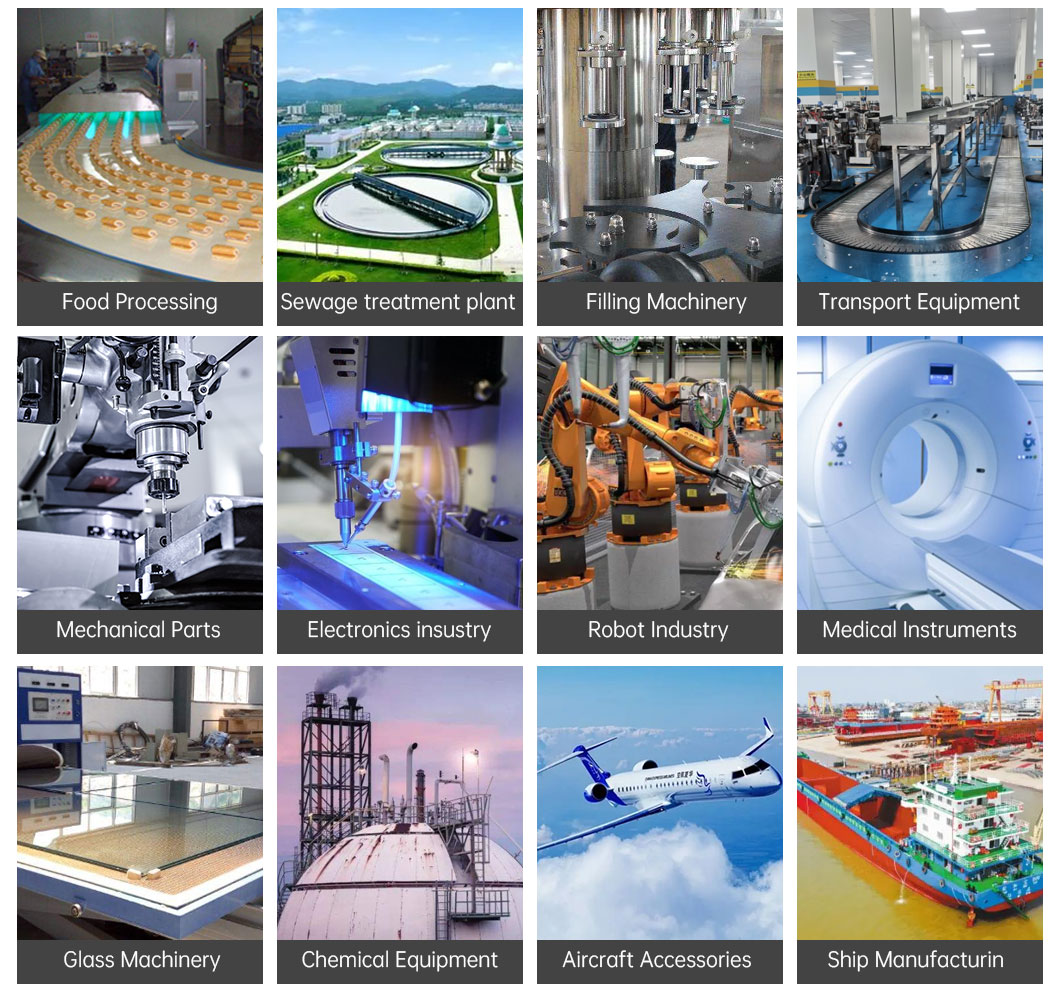
Related Components and Accessories for Enhanced Performance
Complementing agricultural gearboxes, a suite of components ensures robust operation in Australian greenhouse environments. PTO shafts, adaptable to electric roll-up motors via spline adapters, transmit power from auxiliary generators during outages, critical in remote Northern Territory setups where grid failures occur quarterly. These shafts, compliant with AS/NZS 2153, feature shear bolts to protect gearboxes from overloads, limiting damage in high-wind scenarios. Safety hoods encase universal joints, preventing entanglement hazards as per Safe Work Australia guidelines. Telescopic sections allow length adjustments for varying greenhouse spans, maintaining alignment and reducing vibration. Chain drives serve as backups for belt systems, offering higher torque transmission in humid Queensland conditions where belts slip. Sprockets with hardened teeth resist wear from dust, extending intervals between replacements. Hydraulic cylinders integrate for manual overrides, providing redundancy in automated systems. Lubrication systems with automatic dispensers ensure consistent oil flow, combating heat buildup in 40°C summers. Pulleys and couplings facilitate multi-motor setups for large vents, distributing load evenly. One-stop sourcing from ever-power streamlines procurement, ensuring compatibility and reducing installation errors that could compromise ventilation efficiency.
- PTO Shafts: With safety hoods and telescopic features for power backup.
- Chain Drives: High-torque alternatives for humid environments.
- Sprockets: Hardened for dust resistance.
- Hydraulic Cylinders: For manual operation redundancy.
- Lubrication Systems: Automated for consistent maintenance.
- Pulleys: Load distribution in large systems.
- Couplings: Flexible connections to reduce vibration.
– PTO shafts provide reliable power transfer.
– Accessories enhance system durability and safety.
– Integrated solutions for comprehensive ventilation.
Engineering Insights and Innovations
From an engineering standpoint, ever-power agricultural gearboxes embody a design philosophy centered on resilience and precision for Australia’s demanding greenhouse operations. The ideation process began with field studies in Mato Grosso-like broadacre farms, adapted to local broadacre farming in Western Australia, focusing on impact toughness to handle shock loads from wind-driven film movements. Innovations include advanced worm wheel materials with deeper carburizing layers, increasing fatigue resistance by 25% against cyclic stresses. Structural optimizations, such as reinforced housings, mitigate deformation under 50°C thermal loads, ensuring gear mesh integrity. User feedback from New South Wales growers highlighted limit switch reliability issues; iterations incorporated robust mechanical switches with 1 million cycle ratings, reducing false stops by 40%. In Queensland’s irrigation-heavy zones, enhanced seals prevent water ingress, addressing a common failure in humid setups. These advancements align with AS 1755 conveyor safety standards, integrating self-locking for secure positioning. Overall, the evolution reflects a blend of empirical data and simulation modeling, yielding gearboxes that not only meet but exceed operational demands, fostering sustainable horticulture amid climate variability.
– Design focused on impact and thermal resilience.
– Innovations from user feedback improve reliability.
– Alignment with Australian safety standards.
Case Studies from Australian Farms
In a South Australian tomato greenhouse, engineers noted persistent film slippage during 100 km/h winds, straining motors and causing uneven ventilation. “Our old gearboxes couldn’t hold torque,” recalled the farm manager. Solution: Installed ever-power worm gearboxes with 1:60 ratios, achieving self-locking that stabilized films, cutting energy use by 20%. User: “Ventilation is now consistent, boosting yield by 15%.” In Queensland’s cucumber operation, dust ingress halved gearbox life. Field notes: “Seals failed after six months.” Upgraded to IP65-rated units with synthetic lubricants, extending service to 18 months. Feedback: “Maintenance dropped significantly.” A Western Australian berry farm faced overload failures from heavy films. “Torque peaks snapped shafts,” said the technician. Ever-power models with 1.5 overload factors absorbed shocks, no failures in two seasons. Operator: “Reliable in our broadacre setup.” In New South Wales, integration issues with Ridder systems delayed installs. “Mismatches caused downtime.” Compatible flanges enabled seamless swaps. Review: “Quick upgrades, back online fast.” Tasmanian vegetable grower dealt with condensation corrosion. “Humidity ruined gears.” Enhanced seals resolved it. Comment: “Now withstands our coastal conditions perfectly.” These instances, drawn from diverse states, illustrate tailored solutions enhancing productivity.
– Wind-resistant designs stabilize operations.
– Dust-proofing extends equipment life.
– Compatibility streamlines upgrades.
Industry Trends and Future Directions
Recent advancements in Australian agriculture highlight a shift toward smart gearboxes integrated with IoT for real-time monitoring, addressing energy costs that rank second to labor. In Victoria, pilots using sensor-equipped units predict failures via vibration data, aligning with NCC updates for efficient structures. Trends from Hort Innovation reports emphasize sustainable materials, like recycled alloys in gearboxes, reducing environmental impact while meeting AS/NZS 1170 wind standards. Future predictions include AI-driven controls optimizing roll-up speeds based on weather forecasts, potentially cutting power draw by 30% in Queensland’s irrigation districts. News from Grain Producers Australia notes autonomous machinery codes influencing greenhouse tech, ensuring gearboxes comply with safety protocols for unmanned operations. Globally, influences from Brazil’s no-till methods inspire robust designs for soil-like stresses, while EU CE directives shape export-ready units. Locally, Western Australia’s broadacre trends push for higher torque models handling larger spans. These developments promise enhanced resilience against climate change, with ever-power leading in modular systems for easy scalability, fostering innovation in protected cropping.
– IoT integration for predictive maintenance.
– Sustainable materials for environmental compliance.
– AI controls for energy optimization.
Συχνές ερωτήσεις
-
What torque specifications are needed for Australian wind conditions?
- For greenhouses in windy areas like Western Australia, select gearboxes with at least 200 Nm rated torque and 350 Nm peak to handle gusts up to 100 km/h. Calculate based on film span and weight using AS 1170.2 wind load standards; ever-power models provide 1.5 overload factors for safety, preventing slippage and ensuring stable ventilation during storms.
-
Why does my gearbox overheat in summer?
- Overheating often stems from insufficient lubrication or dust buildup in arid Queensland regions. Use synthetic oils with high thermal stability, changing every 5,000 hours, and install breathers to manage pressure. Monitor temperatures; if exceeding 60°C, check for misalignment or overload from stuck films, which increases current draw by 25%.
-
How to integrate with existing Ridder systems?
- Match flange patterns and shaft diameters; ever-power gearboxes fit RW200 models directly. Test compatibility by aligning splines and bolting securely, then calibrate limit switches for full travel. This upgrade enhances torque without rewiring, complying with AS 4024 for seamless operation in New South Wales setups.
-
When should I replace the gearbox?
- Signs include unusual noises, vibration over 2.5 mm/s, or torque loss after 10,000 cycles. In South Australia’s salty air, inspect seals quarterly for corrosion. Replace if backlash exceeds 10 arcmin to avoid uneven rolling, which risks crop damage from poor ventilation.
-
Where to mount for optimal performance?
- Mount at roll tube ends or midpoints for balanced load in large spans. In Victorian greenhouses, central placement reduces torsion; secure with reinforced brackets to withstand wind, ensuring alignment to prevent binding and extend bearing life to 50,000 hours.
-
Who benefits from self-locking features?
- Operators in remote Tasmanian farms, where power outages are common, rely on worm gear self-locking to hold positions without backdrive. This prevents film unwinding, maintaining humidity control and protecting against sudden weather changes, enhancing crop security.
-
What maintenance for dust-prone areas?
- In arid Western Australia, clean exteriors monthly and check seals for integrity. Use IP65-rated units to block ingress; oil analysis detects particulates, prompting filters or changes to maintain efficiency and avoid abrasion that shortens gear life by 30%.
-
Why choose worm gear over others?
- Worm gears offer high reduction ratios and self-locking, ideal for holding heavy films against gravity in inclined top vents. In Australia, they provide quiet operation under variable loads, reducing noise to under 70 dB and complying with workplace standards.
-
How does it comply with regulations?
- Ever-power gearboxes meet AS 4024 safety requirements with guarded shafts and overload protection. For imports, adhere to cleaning guides per DAFF to avoid biosecurity risks, ensuring smooth integration in compliant Australian operations.
-
What accessories enhance compatibility?
- PTO shafts with adapters connect to generators for backup; safety hoods prevent injuries. Couplings absorb misalignments, while lubrication systems automate care, boosting reliability in diverse Australian climates.