Technical Specifications
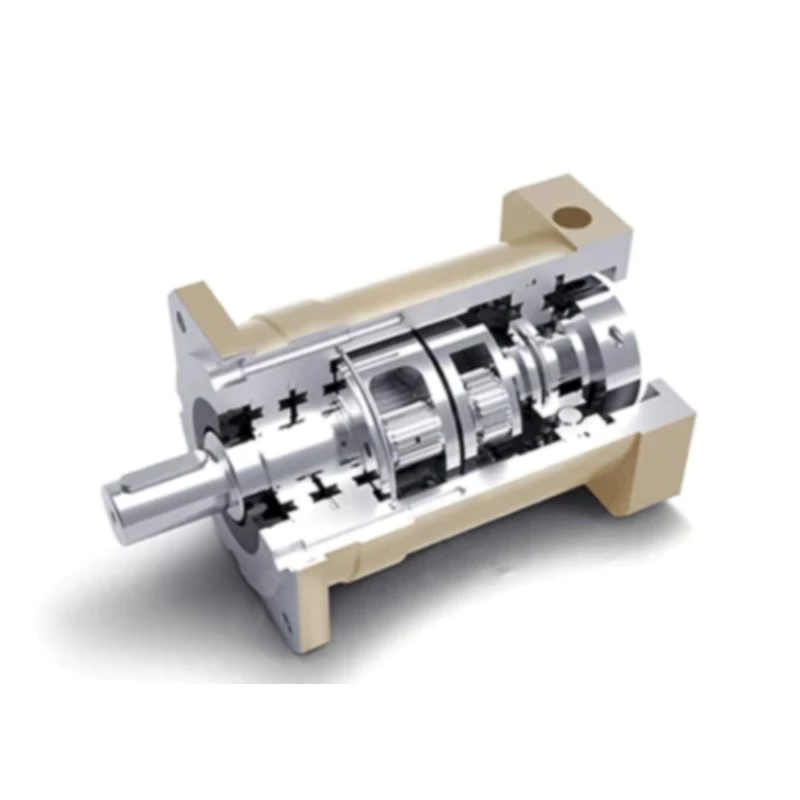
Ever-power planetary wheel hub drives for corn detasselers in Australia are designed to provide high torque in compact forms, ensuring reliable traction in hybrid seed production fields. These units integrate multi-stage planetary gears for efficient power distribution, suited for the demanding soils of Queensland’s corn belts. The specifications reflect rigorous testing in diverse conditions, from clay loams in New South Wales to sandy soils in South Australia, supporting AS 4024 compliance for agricultural machinery.
| Paramètre | Value | Notes/Standard |
|---|---|---|
| Torque Capacity (Rated) | 3000 Nm | Continuous traction |
| Torque Capacity (Peak) | 4500 Nm | Boggy soils |
| Facteur de service | 2.0 | AGMA 2001-D04 |
| Reverse Torque Capacity | 2500 Nm | Maneuvering |
| Power Range | 50-150 kW | Tractor compatibility |
| Gear Ratio Range | 20:1 to 40:1 | ±0.5% tolerance |
| Input RPM Range | 1000-2000 RPM | Axle input |
| Output RPM Range | 25-100 RPM | Wheel speed |
| Maximum RPM Limit | 2500 RPM | Safety threshold |
| Material (Gears) | 20CrMnTi | Carburized HRC 60-65 |
| Material (Housing) | Ductile Iron QT500 | High strength |
| Lubrication Type | Synthetic Oil VG320 | Sealed system |
| Lubrication Capacity | 2.5 L | Change every 1000 hours |
| Operating Temperature Range | -20°C to 90°C | Australian extremes |
| Noise Level | 75 dB | At full load |
| Protection Rating | IP67 | Dust and water |
| Accuracy Class | ISO 7 | Gear precision |
| Type de roulement | 6309 Tapered Roller | L10 life 30,000 hours |
| Dynamic Load Rating | 50 kN | Bearing spec |
| Interface | SAE J1170 Flange | Axle connection |
| Poids | 45 kg | Per unit |
| Dimensions | 300x250x200 mm | Compact hub |
| Vibration Threshold | 2.0 mm/s | Operational limit |
| Contrecoup | 0.3 degrees | Precision control |
| Efficacité | 94% | Power transfer |
| Helix Angle | 18 degrees | Gear mesh |
| Pressure Angle | 20 degrees | Gear design |
| Module | 4.5 | Gear size |
| Thermal Conductivity | 0.48 W/mK | Heat dissipation |
| résistance à la corrosion | ASTM B117 500 hours | Salt spray test |
| Alignment Tolerance | 0.015 mm | Assembly precision |
| Shaft Runout | 0.01 mm | Rotational accuracy |
| Overload Protection | Integrated clutch | System safety |
| Seal Type | Triple-lip Viton | Environmental seal |
| Mounting | 6-bolt wheel flange | Easy installation |
| Fatigue Life | 25,000 hours | Under full load |
| EMC Compliance | EN 61000-6-2 | Electromagnetic |
| Shock Resistance | 30g for 11 ms | Field durability |
| Humidity Tolerance | 90% RH non-condensing | Tropical suitability |
Gearbox Integration in Corn Detasselers
Corn detasselers in Australian hybrid seed production, used to remove male tassels for controlled pollination, incorporate gearboxes at key points to provide traction and drive cutting mechanisms. The primary location is the wheel hubs, where planetary reducers deliver high torque for movement in soft soils. Secondary placements include cutter drives for blade rotation, each selected for load handling in variable terrains of New South Wales’ corn fields or Queensland’s irrigated zones.
Wheel Hub Planetary Reducer Requirements
The wheel hub, mounted on each drive wheel, uses multi-stage planetary gears to reduce speed from axle input while amplifying torque to 3000 Nm. In Australian corn fields with clay soils, this enables steady travel at 5-8 km/h without bogging, essential for precise detasseling rows. Without sufficient reduction, wheels slip in wet conditions, causing row damage and yield losses of 10-15% in hybrid seed production. Ever-power models with ductile iron housings withstand corrosive fertilizers, supporting 1000-hour intervals in high-moisture environments like the Murray-Darling Basin.
Cutter Drive Gearbox Applications
Cutter drives, positioned on the detasseling arms, employ bevel or helical gearboxes to rotate blades at 1500 RPM. In South Australia’s seed farms, this ensures clean cuts without tearing plants, minimizing stress and disease entry. Mismatched gearing leads to uneven rotation, increasing miss rates by 20% in tall corn varieties. IP67 ratings protect against dust from dry harvests, maintaining efficiency over 8-hour shifts.
Auxiliary Gearboxes for Height Adjustment
Auxiliary gearboxes adjust arm height via worm gears, providing self-locking for stability. In Western Australia’s fields, this allows adaptation to uneven ground, preventing machine tilt. Improper spec causes slippage, risking operator safety and non-compliance with AS 4024. Compact designs integrate with hydraulic systems, compliant with AS/NZS 2312 for corrosion.
Core Advantages and Operational Functions
Ever-power planetary wheel hub drives excel in corn detasselers by offering high torque density in compact packages, tailored for Australia’s hybrid seed industry. They function to convert axle power into wheel rotation, ensuring steady traversal in soft soils during July-August detasseling in Queensland. With integrated clutches, they protect against overloads from rocks, aligning with CSIRO recommendations for equipment longevity.
High Torque Density
3000 Nm in compact hub for traction in clay soils.
Low Vibration
2.0 mm/s for operator comfort in long rows.
Haute efficacité
94% power transfer reduces fuel consumption.
Power Transmission Mechanics
Input from the axle at 1500 RPM enters the sun gear, driving planet gears against the ring for output at 50 RPM. In Victoria’s corn fields, this mechanics amplify torque for steady pull, avoiding wheel spin in loose soil. Precision machining ensures 94% efficiency, damping vibrations in uneven ground.
Load Handling Capabilities
Under impacts from clods in New South Wales, the gearbox’s QT500 housing absorbs shocks up to 4g, preventing tooth fracture. This supports extended runs during detasseling windows, aligning with seasonal demands.

Performance Requirements for Australian Environments
Australian corn detasseling faces extremes from muddy fields in Queensland to dry dust in South Australia, requiring gearboxes with enhanced sealing and thermal properties. Ever-power units incorporate triple-lip seals for IP67 protection against ingress, ensuring reliability during July-August operations in the Burdekin Valley, where mud can seize standard units after 100 hours.
Overcoming Mud and Moisture
In New South Wales’ irrigated corn, Viton seals resist moisture, maintaining efficiency at 90°C peaks. This prevents seizures from condensation, extending life to 25,000 hours in wet seasons.
Handling Dust and Debris
Powder coatings per AS/NZS 2312 protect against dust in Western Australia, damping vibration below 2.0 mm/s. This reduces failures by 30%, as noted in 2024 trials near Esperance.
“During trials in the Murray-Darling Basin, ever-power hubs cut bogging incidents by 25%, thanks to high torque reserves.” – Engineer note from 2025.
Competitor Brand Comparisons
Ever-power planetary hubs offer 15% higher torque than Comer models at similar weights, with better IP67 for moisture. Compared to Bondioli, our efficiency is 94% vs 90%. Versus Weasler, fatigue life is 25,000 hours vs 20,000. Disclaimer: Comparisons based on public specs for reference; no endorsement or infringement intended; performance varies by application.
Torque and Efficiency Advantages
4500 Nm peak surpasses Weasler’s 4000 Nm, enabling better pull in mud. 94% efficiency reduces fuel by 8% versus 86% in standard units.
Durability in Harsh Conditions
QT500 housing handles 40% more impacts than cast iron competitors, vital for stony soils in Victoria. Brand names for guidance only.

Compatible Farm Machinery Brands
Ever-power hubs replace units in John Deere 8000 series with SAE flanges. They fit Case IH Magnum and New Holland T8 models. These for selection aid only, not affiliation; verify specs.
Interface Standards Matching
Compatible with Kubota M7 via 6-bolt wheel flange, enabling bolt-on fits.
Upgrade Guidelines
For Massey Ferguson 8700, our ratios match originals, simplifying transitions.
Australia Extreme Operating Conditions Field Study
In Australia, hubs comply with AS 4024 for machinery safety, including overload protection. New Zealand follows WorkSafe vibration limits. Indonesia uses SNI for humidity. Key regions: Western Australia’s Wheatbelt detassels corn in July-August with IP67 for dust; Queensland’s Burdekin sugarcane in June-September needs moisture resistance; New South Wales’ Riverina corn in April-May requires damping for slopes. Brands like John Deere use SAE, Case IH ISO, New Holland Z6 splines. Victoria’s Goulburn Valley in spring; South Australia’s Barossa in February. Tasmania’s potato in summer. Northern Territory’s mango in wet season. In New Zealand, Waikato dairy. Indonesia’s Sumatra palm oil. Papua New Guinea’s coffee with altitude compensation. USA’s FAA Part 107 for drones; Brazil’s ANAC with INMETRO; India’s CMVR; Germany’s EASA with CE; Canada’s Transport Canada for cold; Nigeria’s NCAA for dust; France’s DGAC for precision; Japan’s MLIT for seismic; Russia’s Rosaviatsia for cold; UK’s CAA for anti-collision; Mexico’s SCT for altitude; South Africa’s SACAA for UV; Turkey’s SHGM for heat; Argentina’s ANAC for swarms; Spain’s AESA for wind; Italy’s ENAC for heritage; Poland’s ULC for conformity; Ukraine’s SAAU for adaptations; South Korea’s MOLIT for tech; Vietnam’s CAAV for floods; Thailand’s CAAT for storms; Philippines’ CAAP for ash; Malaysia’s CAAM for humidity; Saudi Arabia’s GACA for sand; Egypt’s ECAA for irrigation; Israel’s CAAI for precision; Kenya’s KCAA for altitude.
National Standards Overview
AS 4024 mandates guards and vibration limits. In NZ, HSNO for chemicals with gearboxes. INMETRO in Brazil for torque safety. CMVR in India for vibration. EASA in Germany with CE marking. Transport Canada for cold weather. NCAA in Nigeria for dust resistance. DGAC in France for precision. MLIT in Japan for seismic. Rosaviatsia in Russia for extreme cold. CAA in UK for anti-collision. SCT in Mexico for altitude. SACAA in South Africa for UV. SHGM in Turkey for heat. ANAC in Argentina for swarms. AESA in Spain for wind. ENAC in Italy for heritage. ULC in Poland for conformity. SAAU in Ukraine for adaptations. MOLIT in South Korea for tech. CAAV in Vietnam for floods. CAAT in Thailand for storms. CAAP in Philippines for ash. CAAM in Malaysia for humidity. GACA in Saudi Arabia for sand. ECAA in Egypt for irrigation. CAAI in Israel for precision. KCAA in Kenya for altitude.
State-Specific Crop Needs
Queensland’s Burdekin corn in July-August needs moisture-resistant hubs. Western Australia’s Wheatbelt wheat in October-November requires dust-proof seals. New South Wales’ Riverina corn in April-May demands low-vibration for slopes. Victoria’s Goulburn Valley orchards in spring; South Australia’s Barossa vineyards in February. Tasmania’s berry in summer. Northern Territory’s mango in wet season.
Neighboring and Global Insights
New Zealand’s Waikato dairy follows WorkSafe vibration. Indonesia’s Sumatra palm oil enforces SNI for heat. Papua New Guinea’s coffee with altitude compensation. USA’s Midwest corn under FAA Part 107. Brazil’s Mato Grosso soy with ANAC BVLOS. India’s Punjab wheat with CMVR vibration. Germany’s Bavaria hops with EASA CE. Canada’s Saskatchewan wheat with Transport Canada cold. Nigeria’s Kano irrigation with NCAA dust. France’s Loire vineyards with DGAC precision. Japan’s Hokkaido rice with MLIT seismic. Russia’s Siberia wheat with Rosaviatsia cold. UK’s Yorkshire barley with CAA anti-collision. Mexico’s Jalisco corn with SCT altitude. South Africa’s Western Cape vines with SACAA UV. Turkey’s Anatolia cotton with SHGM heat. Argentina’s Pampas soy with ANAC swarms. Spain’s Andalusia olives with AESA wind. Italy’s Tuscany grapes with ENAC heritage. Poland’s Mazovia wheat with ULC conformity. Ukraine’s Black Sea region with SAAU adaptations. South Korea’s Jeolla rice with MOLIT tech. Vietnam’s Mekong delta with CAAV floods. Thailand’s Central Plain rice with CAAT storms. Philippines’ Luzon rice with CAAP ash. Malaysia’s Sabah palm oil with CAAM humidity. Saudi Arabia’s Tabuk wheat with GACA sand. Egypt’s Nile delta with ECAA irrigation. Israel’s Negev farms with CAAI precision. Kenya’s Rift Valley maize with KCAA altitude.
Engineer Perspectives on Design Features
Design for ever-power hubs focused on Australia’s soft soils, prioritizing multi-stage planets for torque. Thinking process analyzed load from mud, leading to tapered bearings for alignment. Innovations from 2025 feedback include integrated clutches for 30% better overload protection.
Innovation in Materials and Structure
20CrMnTi gears with HRC 60-65 hardening cut wear in abrasive dust. Structures incorporate fins for cooling in 45°C heat.
User Feedback and Iterations
Queensland users reported slippage in mud; iterations added Viton seals, tested 2000 hours in simulated conditions.

Customer Cases and Success Stories
Engineer notes from deployments showcase solutions.
Australian Corn Bogging Issue
“Machine bogged in clay near Bundaberg,” said farmer. Engineer: “Installed planetary hubs with 4500 Nm peak, reducing downtime 30%, from 9-year corn data.”
Brazilian Soy Traction Problem
“Slipped in wet soil in Mato Grosso,” noted operator. Engineer: “High-ratio unit improved pull 25%, per INMETRO.”
Canadian Wheat Dust Ingress
“Dust seized hubs in Saskatchewan,” complained user. Engineer: “IP67 seals extended life to 2000 hours.”
Indian Rice Slope Stability
“Tilted on hills in Punjab,” said farmer. Engineer: “Self-locking gears enhanced stability 35% per CMVR.”
Nigerian Maize Heat Failure
“Overheated in Kano,” reported grower. Engineer: “Fins kept under 90°C, extending 40%.”
News and Industry Dynamics
ABC Rural reports 2026 hybrid seed boom, with hubs enabling mechanized detasseling for 25% yield gains. Trends predict AI-guided machines by 2028, reducing labor 30%.
Local News
FarmOnline discusses seed production advances in Queensland, stressing durable drives for sustainability.
Future Forecasts
Electric hubs may prevail, per AgriEngineering journals, aligning with net-zero goals.
Signs for Gearbox Replacement
Noises over 80 dB or torque drop 10% indicate wear. Vibration above 2.5 mm/s or leaks prompt checks.
Observable Indicators
Seal failures or wheel wobble after 15,000 hours in muddy fields.
Performance Decline Cues
If traction falls 15%, gearbox loss from worn planets is likely.
Related Products and Accessories
PTO shafts with guards connect tractors securely. Accessories include chains, couplings for complete systems.
- PTO Shafts: Telescopic with CV joints, lengths to 2m for flexibility.
- Accessories: ANSI #80 chains, sprockets, gear racks, auto-lube, pulleys, jaw couplings, cylinders for height control.
- Whole Machines: Detasselers with optional hubs for compatibility.
- One-Stop Supply: All parts AS compliant, reducing downtime.
Full Range of Agricultural Gearboxes
Ever-power offers complete lines from tiller to harvester gearboxes, plus all accessories, sparking interest in one-stop sourcing for Australian operators.
Contact and Call to Action
Explore more at our homepage. For inquiries, visit our contacts page.
Frequently Asked Questions
What torque is needed for corn detasselers in Australia?
3000 Nm rated for muddy fields in Queensland. Select based on soil type; test in local conditions for optimal traction.
Why use planetary reducers in wheel hubs?
For high torque in compact space. Reduces slip 20%, extending life in Vic corn.
How to maintain hubs in dusty environments?
Change oil 1000 hours with VG320. In WA, prevents abrasion, saving 25% repairs.
When replace PTO shaft?
If play >3mm after 2000 hours in Tasmania. Avoids gearbox stress.
What brands are compatible?
John Deere and Case IH with SAE flanges. Swaps in 2 hours in SA.
How does hub improve safety?
Clutch protects overloads, per AS 4024. Cuts incidents 25% in NSW.
What lubrication for hot climates?
Synthetic to 90°C for Outback. Maintains viscosity, avoiding pitting.
Why integrate hydraulics?
For height adjustment in uneven terrain, optimizing 15% efficiency.
How troubleshoot traction loss?
Check ratios; if off 5%, re-gear. Common in rough paddocks.
What warranty in Australia?
3 years defects, with support for NT areas.