Product Description
EP-9.311-JCG Rotary Tiller Cultivator Gearbox for Agricultural
We are glad to tell you that we can manufacture various gears according to the drawings and specifications of our customers.
Nonstandard items.
At present, we have a variety of CNC machine tools and gear machines.
If you need OEM gears cast, forged, or machined, please feel free to contact us. We pay great attention to quality. Our QC will inspect the goods for you before delivery. I hope the excellent quality and low price are your best choice.
|
ITEM |
HC-9.311-JCG Rotary Tiller Gearbox |
|
Ratio |
1:3 |
|
Teeth |
36/12 |
|
Module |
4.35 |
|
Power(HP) |
50 |
|
Rated Input |
540rpm |
|
Input/Output Description |
1 3/8 Z6 Optic axis |
|
Weight(N.W) |
21KG |
How to replace the gearbox on the rotary tiller
1. Remove the tiller from the tractor.
2. Ensure that the tiller is firmly locked and leveled.
3. Remove the PTO shaft from the tiller.
4. Before the reverse operation, reverse the teeth on the tiller.
5. To reverse the direction of the time, remove the 4 (4) bolts at both ends of the time bracket.
6. Carefully put down the gear set, turn it 180 °, and then put it in front of the tiller. Remove the gearbox before reconnecting the teeth.
7. Loosen and remove (6) bolts (2) on the top and (4) on the bottom of the gearbox.
8. Slide the gearbox to the left by about 5 “. The side key shaft should fall off from the right gearbox.
Note: if the critical shaft does not come out of the gearbox, just slide the key shaft out of the side gearbox and remove it from the main gearbox.
9. Slide the gearbox forward.
10. Remove the filler plug from the top of the gearbox.
11. Remove the flat plug from the bottom of the gearbox. Switch the filling plug from the top to the bottom of the gearbox and the flat plug from the bottom to the top
12. Locate the washer fixed by the snap ring on the opposite side of the insertion key shaft.
13. Carefully remove the snap ring with snap ring pliers
14. Remove the washer from the key shaft hole.
15. Put the washer and snap ring back into the hole of the key shaft just removed.
16. Turn over the gearbox and reinsert it into the frame
17. Slide the key shaft into the released key shaft hole on the other side of the gearbox.
18. Slide the gearbox back to the center of the tiller
19. Reinsert 6 bolts (2 at the top and 4 at the bottom). Do not tighten until all 6 are started successfully.
20. Once the vital shaft is successfully reinserted, manually start all 6 bolts and tighten all 6 screws on the gearbox. Do not tighten any gearbox bolts until all 6 gearbox bolts are threaded and tightened.
We Also Supply PTO Shaft
other gearboxes
Agricultural Gearbox Production Workshop
Ever-power is a professional agricultural machine gearbox manufacturer. It produces more than 1,000 kinds of products and supports OEM and ODM. Including lawn mower series, rotary tiller series, rice harvester series, grain transportation storage series, etc. Has been exported to numerous countries like America, Australia, India, Poland, etc. We work with CZPT brands like John Deere, Bush Hog, etc. Our annual production is 300,000 units, and our turnover in 2571 is USD 28 million. The export ratio is 80%, and the domestic market is 20%.
HangZhou Ever-power Transmission Machinery Co., Ltd. was established in 2006. The company is located in ZHangZhoug HangZhou, with 90 employees, an area of 3800 meters, and an annual output value of 40 million yuan. The company is committed to the R & D, manufacturing, and personnel training of various gearboxes, reducers, and construction machinery, including spiral bevel gearbox, spur gearbox, worm gearbox, and cylindrical gearbox. It also includes a variety of high-pressure cast valve body and shell products. Its products are used in various applications, such as agricultural mowers, snow sweepers, fertilizer applicators, grain conveyors, industrial equipment, oil mining machinery, marine industrial equipment, and hydraulic engineering components. More than 95% of its products are exported to Europe, the United States, and Australia. Asia and Canada. The company has robust technology and R & D capabilities, produces reliable and high-quality products, pursues a unique business philosophy, and enjoys a high reputation in the manufacturing industry. Welcome to contact us by phone or email.
| Application: | Motor, Electric Cars, Motorcycle, Machinery, Marine, Agricultural Machinery, Car |
|---|---|
| Function: | Distribution Power, Clutch, Change Drive Torque, Change Drive Direction, Speed Changing, Speed Reduction, Speed Increase |
| Layout: | Coaxial |
| Hardness: | Hardened Tooth Surface |
| Installation: | Horizontal Type |
| Type: | Agricultural Gearbox |
| Samples: |
US$ 9999/Piece
1 Piece(Min.Order) | |
|---|
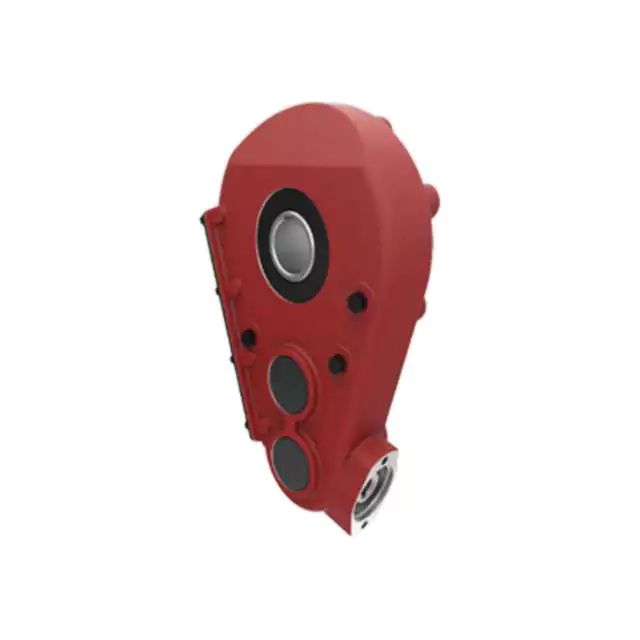
Technological Advancements in Agricultural Gearbox Design
Advancements in agricultural gearbox design have significantly improved the efficiency, durability, and performance of farming equipment. Here are some notable technological advancements:
- Materials and Manufacturing: The use of advanced materials, such as high-strength alloys and composite materials, has enhanced the durability and longevity of gearbox components. Precision manufacturing techniques, including computer-aided design (CAD) and computer numerical control (CNC) machining, ensure tight tolerances and reliable performance.
- Gear Tooth Design: Modern gear tooth profiles, such as optimized helical and spiral bevel gears, reduce noise, vibration, and wear. Advanced tooth design also improves power transmission efficiency and load distribution.
- Sealing and Lubrication: Improved sealing technologies, such as double-lip seals and labyrinth seals, help prevent contaminants from entering gearboxes while retaining lubricants. Advanced lubrication systems, including automatic lubrication and improved oil formulations, extend maintenance intervals and enhance efficiency.
- Electronic Controls: Agricultural gearboxes increasingly integrate with electronic control systems. Sensors and actuators provide real-time data on gearbox performance, allowing for condition monitoring, predictive maintenance, and adjustments to optimize machinery operation.
- Smart Gearboxes: Some agricultural gearboxes are equipped with smart features, such as load sensors, temperature monitors, and feedback systems. These features enhance precision, safety, and overall equipment performance.
- Hybrid Power Transmission: Integration of hybrid power transmission systems, combining internal combustion engines with electric motors, allows for more efficient power delivery and reduced fuel consumption. Gearboxes play a crucial role in managing power distribution in these systems.
- Reduced Environmental Impact: Advancements in gear design contribute to reducing environmental impact. Quieter and more efficient gearboxes minimize noise pollution and energy consumption while meeting emissions regulations.
- Customization and Modularity: Some modern agricultural gearboxes offer modular designs that allow farmers to customize gear ratios, output speeds, and other specifications to match specific tasks and conditions.
- Simulation and Testing: Computer simulations and advanced testing methods, such as finite element analysis (FEA) and computational fluid dynamics (CFD), help optimize gearbox design, reduce prototyping costs, and ensure reliability before production.
These advancements collectively contribute to the evolution of agricultural gearboxes, making farming machinery more efficient, environmentally friendly, and adaptable to the changing needs of modern agriculture.
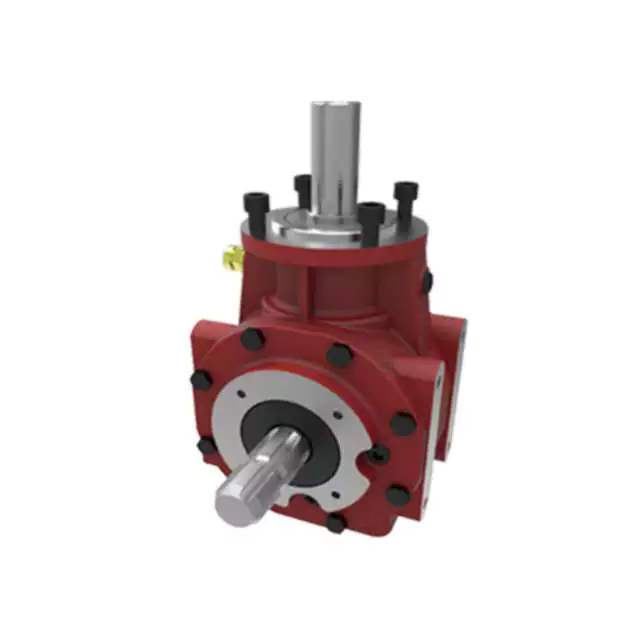
Specific Safety Precautions for Agricultural Gearbox Operation
Operating agricultural machinery with gearboxes requires careful attention to safety to prevent accidents and ensure the well-being of operators and bystanders. Here are some specific safety precautions associated with agricultural gearbox operation:
- Read the Manual: Familiarize yourself with the manufacturer’s manual for the specific gearbox and machinery. It provides valuable information about proper operation, maintenance, and safety guidelines.
- Proper Training: Ensure that operators are trained in the safe operation of the machinery, including how to engage and disengage the gearbox, adjust speeds, and handle emergencies.
- Protective Gear: Operators should wear appropriate protective gear, such as helmets, gloves, safety goggles, and sturdy footwear, to reduce the risk of injury from debris, moving parts, or other hazards.
- Clear Workspace: Before operating the machinery, clear the area of obstacles, debris, and bystanders. Ensure a safe distance between the machinery and people.
- Secure Attachments: If the gearbox is used in conjunction with attachments, ensure that they are properly secured and mounted according to manufacturer guidelines to prevent detachment during operation.
- Engage Safely: Engage the gearbox and start the machinery only after ensuring that all personnel are at a safe distance and that the machinery is on stable ground.
- Avoid Loose Clothing: Operators should avoid wearing loose clothing or accessories that could get caught in moving parts.
- Emergency Stops: Familiarize yourself with the location of emergency stop buttons and switches on the machinery and be prepared to use them if needed.
- Regular Maintenance: Perform routine maintenance checks on the gearbox and machinery to ensure that all components are in proper working condition. Replace worn parts and lubricate components as recommended by the manufacturer.
- Shut Down Properly: When finishing a task, disengage the gearbox, shut off the machinery, and engage any safety locks to prevent accidental starts.
Following these safety precautions can greatly reduce the risk of accidents and injuries when operating agricultural machinery with gearboxes. Always prioritize safety to create a secure working environment for everyone involved.
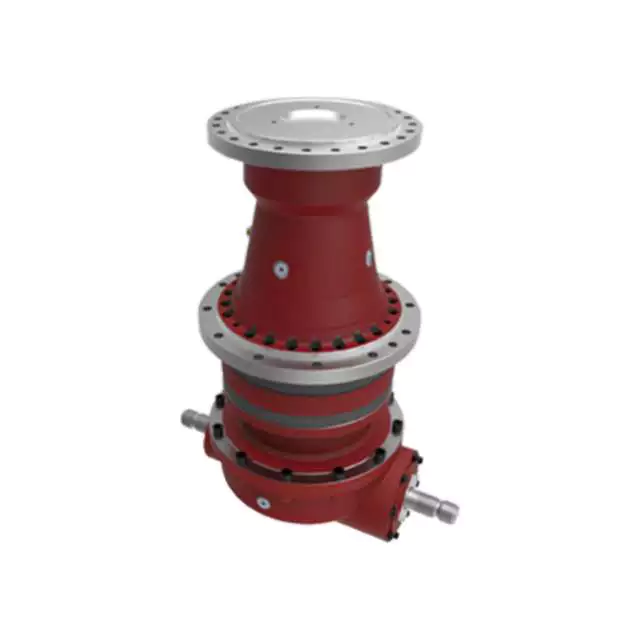
Maintenance Requirements for Agricultural Gearboxes
Maintaining agricultural gearboxes is crucial to ensure the smooth and efficient operation of farming equipment. Proper maintenance helps extend the lifespan of gearboxes and prevents costly breakdowns. Here are the key maintenance requirements:
- Regular Inspections: Conduct routine visual inspections to check for signs of wear, damage, leaks, or misalignment. Regularly inspect gear teeth, seals, and bearings for any issues.
- Lubrication: Proper lubrication is essential to minimize friction and wear in gearboxes. Follow the manufacturer’s guidelines for the type of lubricant to use and the recommended intervals for lubrication.
- Lubricant Checks: Monitor the gearbox’s lubricant levels and quality regularly. Replace or replenish lubricants as needed, and ensure that contaminants are kept out of the lubrication system.
- Tightening Bolts and Fasteners: Check and tighten bolts, nuts, and fasteners to prevent loosening due to vibrations during operation. Loose components can lead to misalignment and premature wear.
- Seal Inspection: Examine seals for leaks and proper sealing. Damaged or worn seals should be replaced promptly to prevent lubricant leakage and the ingress of contaminants.
- Cleaning: Keep gearboxes clean by removing dirt, debris, and residue. Regular cleaning prevents abrasive particles from entering the gearbox and causing damage.
- Alignment: Ensure that gearboxes are properly aligned with connected components, such as shafts and couplings. Misalignment can lead to increased wear and reduced efficiency.
- Temperature Monitoring: Monitor the operating temperature of the gearbox. Abnormal temperature increases may indicate issues like overloading or insufficient lubrication.
- Filter Replacement: If the gearbox has a filtration system, regularly replace or clean the filters to prevent contaminants from entering the gearbox.
- Expert Inspection: Periodically have gearboxes inspected by qualified technicians. They can identify potential problems that may not be visible during routine inspections.
Adhering to these maintenance requirements ensures that agricultural gearboxes remain in optimal condition and contribute to the reliability and efficiency of farming equipment. Regular maintenance not only prevents unexpected downtime but also prolongs the service life of the gearboxes, ultimately benefiting the productivity of agricultural operations.


editor by CX 2023-09-07