Product Description
Product Description
Planetary speed reducer
The planetary speed reducer & gearbox is a kind of transmission mechanism. It utilizes the speed transducer of the gearbox to reduce the turnover number of the motor to the required 1 and obtain a big torque.
Planetary speed reducer applications
Planetary speed reducers & gearboxes have a lot of advantages, like small size, light weight, high load capability, long service life, high reliability, low noise, large output torque, wide range of speed ratio, high efficiency and so on. Besides, the planetary speed reducers gearboxes are easy and convenient for installation and suitable for AC/DC,hydraulic motors etc.
planetary gearboxes are applicable to the lifting transport, engineering machinery, metallurgy, mining, petrochemicals, construction machinery, light and textile industry, medical equipment, instrument and gauge, automobile, ships, weapons, aerospace and other industrial sectors.
Gear Reducer advantages:
1.High speed ratio and high efficiency
2.Compact structure, small volume
3.Low running noise and low noise.
4.Reliable use, long life
5.Reasonable design, convenient maintenance, easy decomposition and installation
Detailed Photos
Product Parameters
| max output torque N.M | Max single wire rope pulling force N | gear ratio | brake torque N.m | hydraulic motor | input rotation speed Rpm | weight(kgs) |
| 3136 | 14500 | 21.5 | 190 | A2F56W6.1Z2 | 3200 | 160 |
| 5186 | 30000 | 30.3 | 296 | A2F63W2Z2 | 3200 | 160 |
| 11500 | 50000 | 37.6 | 460 | a2f80w2z | 3200 | 115 |
| 18000 | 90900 | 26.4/36.8 | 507 | a2fe55/63-vzl | 3200 | 165 |
| 26000 | 118000 | 67/78.8 | 710 | a2fe55/61w-vzl | 3200 | 155 |
| 27000 | 120000 | 35.46/41 | 790 | a2fe107/61w-vzl | 3200 | 115 |
| 10000 | 208000 | 128.6/147 | 1133 | a2fe16/61w-vzl | 3200 | 440 |
workshopplanetary speed reducer packing
winch speed reducer shipping to HangZhou port
our related gearbox
certificates
FAQ
1.are you trading company or manufactory?
we have our own factory,the company is our export department of our factory.but it is independent accounting unit from our factory and specilizes in exporting business.
2.what is your payment mode?
we can accept LC sight or 30% deposit,balance before shipment.or negotiation.
| Application: | Machinery, Marine, Agricultural Machinery |
|---|---|
| Hardness: | Hardened Tooth Surface |
| Installation: | Horizontal Type |
| Layout: | Coaxial |
| Gear Shape: | Cylindrical Gear |
| Step: | Three-Step |
| Samples: |
US$ 2000/Piece
1 Piece(Min.Order) | |
|---|
| Customization: |
Available
| Customized Request |
|---|
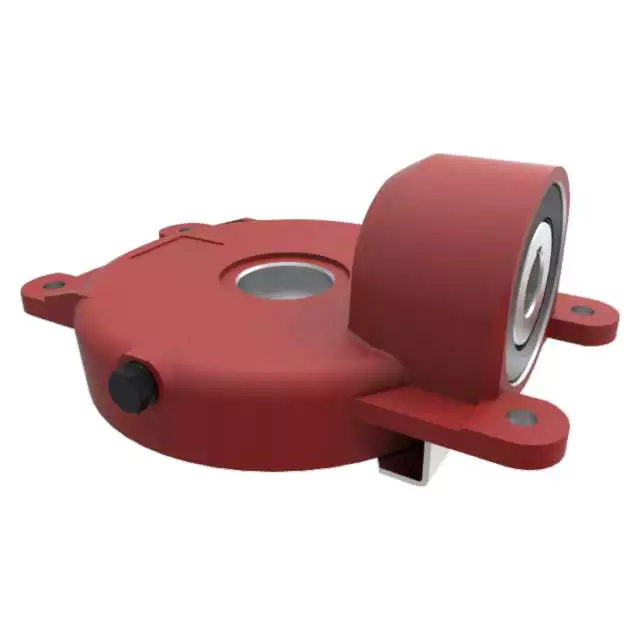
Lubrication Practices for Extending the Lifespan of Agricultural Gearboxes
Proper lubrication is essential for ensuring the longevity and optimal performance of agricultural gearboxes. Here are some essential lubrication practices that can help extend the lifespan of these gearboxes:
- Choose the Right Lubricant: Select a high-quality lubricant specifically designed for gearboxes and agricultural machinery. Consider factors such as viscosity, temperature range, and load-bearing capacity to ensure compatibility with the gearbox’s operating conditions.
- Regular Inspection: Perform regular visual inspections of the gearbox and lubricant to check for signs of contamination, wear, or inadequate lubrication. Address any issues promptly to prevent further damage.
- Cleanliness: Maintain a clean environment around the gearbox to minimize the risk of dirt, debris, and moisture entering the gearbox housing. Contaminants can compromise the lubricant’s effectiveness and accelerate wear.
- Lubricant Level: Monitor and maintain the proper lubricant level in the gearbox. Insufficient lubrication can lead to increased friction and heat, causing premature wear and potential damage to gears and bearings.
- Replace Lubricant: Follow the manufacturer’s recommendations for lubricant change intervals. Over time, lubricants can degrade, lose their properties, and become contaminated. Regularly replacing the lubricant helps ensure optimal performance.
- Use Lubrication Schedule: Create a lubrication schedule based on the gearbox’s usage and operating conditions. Stick to the recommended intervals for applying or changing lubricant to prevent under-lubrication or over-lubrication.
- Appropriate Lubrication Method: Follow the manufacturer’s guidelines for the correct lubrication method, whether it’s through oil bath, grease, or automatic lubrication systems. Proper application ensures even distribution of lubricant across gear surfaces.
- Temperature Considerations: Be aware of temperature variations in your operating environment. Extreme temperatures can affect lubricant viscosity and performance. Choose a lubricant that can handle the temperature range of your equipment.
- Expert Advice: Consult the gearbox manufacturer or a lubrication specialist to determine the best lubrication practices for your specific agricultural gearbox model and application.
By adhering to these lubrication practices, farmers can maximize the lifespan of their agricultural gearboxes, minimize downtime, and ensure efficient and reliable operation of their equipment.
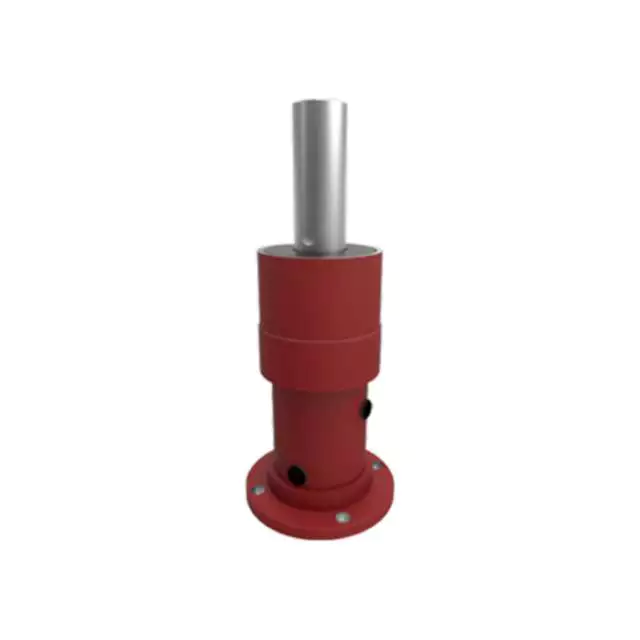
Common Signs of Gearbox Wear and Their Solutions
Gearboxes, like any mechanical components, can experience wear over time due to factors such as friction, load, and operating conditions. Recognizing the common signs of gearbox wear is essential for timely maintenance and avoiding potential breakdowns. Here are some signs to watch out for and the solutions to address them:
- Unusual Noises: Grinding, clicking, or whining noises during operation can indicate worn gears or bearings. Inspect the gearbox for damaged teeth or inadequate lubrication. Replace damaged components and ensure proper lubrication.
- Increased Vibration: Excessive vibration suggests misalignment or imbalance within the gearbox. Check for proper alignment and balance the components if necessary. Also, inspect for worn or damaged shafts or bearings.
- Leakage: Oil or lubricant leaks may indicate worn seals or gaskets. Replace seals and gaskets to prevent leakage and ensure adequate lubrication.
- Slipping Gears: Gears slipping out of engagement or difficulty shifting can point to worn or damaged gear teeth. Inspect gears for signs of wear or chipping, and replace as needed.
- Temperature Increase: Abnormal heat generation can result from increased friction due to worn parts. Check lubrication levels and quality, and replace worn bearings or gears causing excess friction.
- Decreased Performance: Reduced power transmission or output efficiency can indicate wear in the gearbox. Inspect gears, bearings, and other components for signs of wear and replace as necessary.
- Excessive Play: Excessive play or backlash in gears can indicate worn gear teeth or bearings. Inspect components for wear, adjust backlash, and replace worn parts.
Addressing gearbox wear requires routine maintenance, including proper lubrication, alignment checks, and regular inspections. Timely replacement of worn or damaged components can extend the gearbox’s lifespan and maintain optimal performance in various applications.
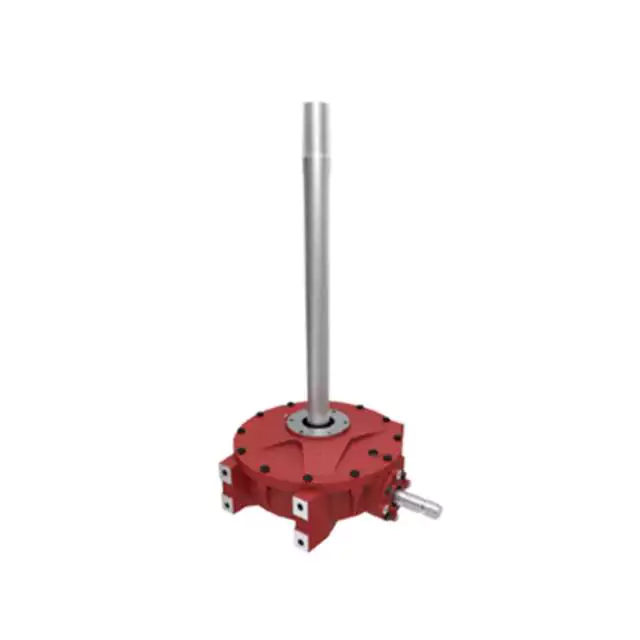
Types of Agricultural Gearboxes for Specific Tasks
Various types of agricultural gearboxes are designed to cater to specific tasks and applications in farming. These gearboxes are engineered to meet the unique requirements of different agricultural machinery and operations. Some common types of agricultural gearboxes include:
- Rotary Mower Gearboxes: These gearboxes are used in rotary mowers and cutters. They transmit power from the tractor’s power take-off (PTO) to the blades, enabling efficient cutting of grass, crops, and vegetation.
- Manure Spreader Gearboxes: Manure spreaders utilize specialized gearboxes to distribute manure evenly across fields. These gearboxes ensure consistent spreading of fertilizer while accommodating variable loads.
- Harvesting Gearboxes: Gearboxes used in harvesting equipment, such as combines and harvesters, enable efficient gathering, threshing, and separating of crops from their stalks. These gearboxes handle high loads and varying operating conditions.
- Seed Drill Gearboxes: Seed drills require gearboxes to distribute seeds accurately and at consistent intervals. These gearboxes ensure precise seed placement for optimal germination and crop growth.
- Hay Rake Gearboxes: Hay rakes utilize gearboxes to gather and arrange hay into windrows for baling. These gearboxes help optimize the hay collection process.
- Irrigation System Gearboxes: Agricultural irrigation systems may use gearboxes to control the movement and positioning of irrigation equipment, ensuring efficient water distribution across fields.
- Tillage Equipment Gearboxes: Gearboxes used in tillage equipment, such as plows and cultivators, help break up soil, prepare seedbeds, and promote seedling emergence.
- Tractor Gearboxes: Tractors may incorporate various gearboxes for tasks such as shifting gears, driving the power take-off, and operating attachments.
- Grain Auger Gearboxes: Grain augers use gearboxes to facilitate the movement of harvested grain from one location to another, such as from a combine to a storage bin.
Each type of agricultural gearbox is designed with specific features, load capacities, and durability to suit the demands of its intended task. Manufacturers engineer these gearboxes to withstand the challenging conditions of agricultural operations while ensuring efficient and reliable performance.


editor by CX 2023-09-13